$10.4B
global AI in sports market size in 2025, on its way to roughly ten times that by the mid-2030s.
Precedence Research, AI In Sports Market 2025
AI for the sports industry
We design and build sports software that turns athlete performance, operations and fan attention into systems you can actually run. From real-time match data and injury prevention to ticketing, broadcast and fan engagement platforms, our work keeps sports organisations ahead in a season that never really stops.
Axiomra is a sports software development company built around data engineers and sports technologists who ship end-to-end platforms for performance, fan engagement, ticketing and live analytics. Our systems replace the data silos that leave coaching staff guessing, cut the operational friction between departments, and put every number in one secure, cloud-native place.
We work with professional clubs, colleges, academies, venues and federations. On the performance side that means fewer soft-tissue injuries, a real concussion-management trail and coaching admin that stops eating the training week. On the commercial side it means attendance you can forecast, OTT revenue you can measure and sponsorship you can price. Wearable privacy, NIL compliance and AI misuse all get guardrails from day one, not after the first incident.

AI sports software is redefining how teams manage training load, reduce injury risk and open new revenue by unifying wearables, video, ticketing and CRM into real-time workflows that scale from academies to professional leagues.
$10.4B
global AI in sports market size in 2025, on its way to roughly ten times that by the mid-2030s.
Precedence Research, AI In Sports Market 2025
38%
of sports media executives said AI made content commercialisation easier in 2025.
Stats Perform, 2025 AI Trends
33%
average positive shift in expectations for AI-driven audience and monetisation growth across sectors in 2025.
Stats Perform, 2025 Survey
Overcoming key barriers in sport
GPS vests, force plates, wellness questionnaires and video all land in different exports, and by the time anyone has merged them the session they describe is a week old. We build the ingestion layer and the one screen that sits on top of it, so a coach sees load, readiness and risk for the whole squad before training starts rather than after it.
What sports solutions do we offer?
We build custom sports software that removes the manual, repetitive work modern sports organisations still run on: in-person-only coaching, fragmented medical records, batch-processed performance data and fan engagement that stops at the final whistle.
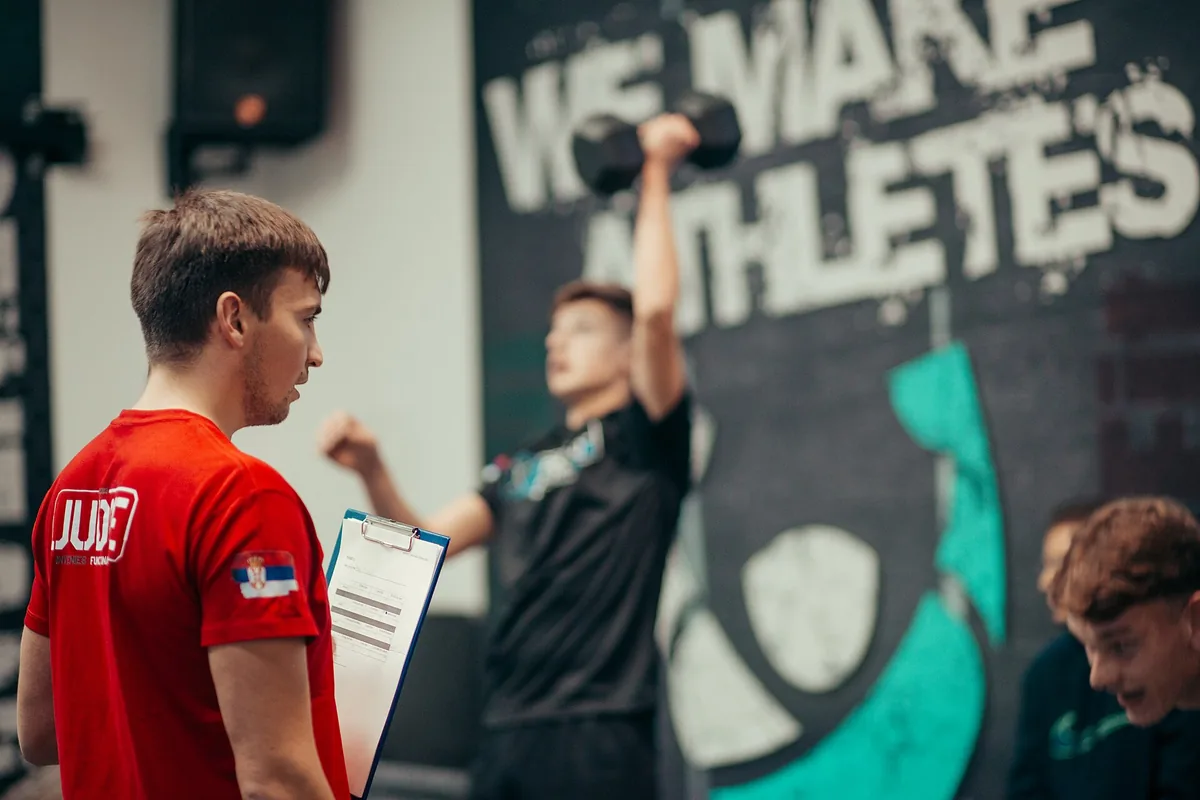
Manual posture analysis and movement tracking are slow and inconsistent between assessors. Our motion analysis software uses pose estimation to break down biomechanics, quantify asymmetry and track technique changes session over session, so coaching decisions rest on measurement rather than memory.
Running a club by hand produces double bookings, membership errors and hours lost to admin. We automate memberships, billing, class scheduling and trainer coordination into one platform that staff and members both actually want to use.
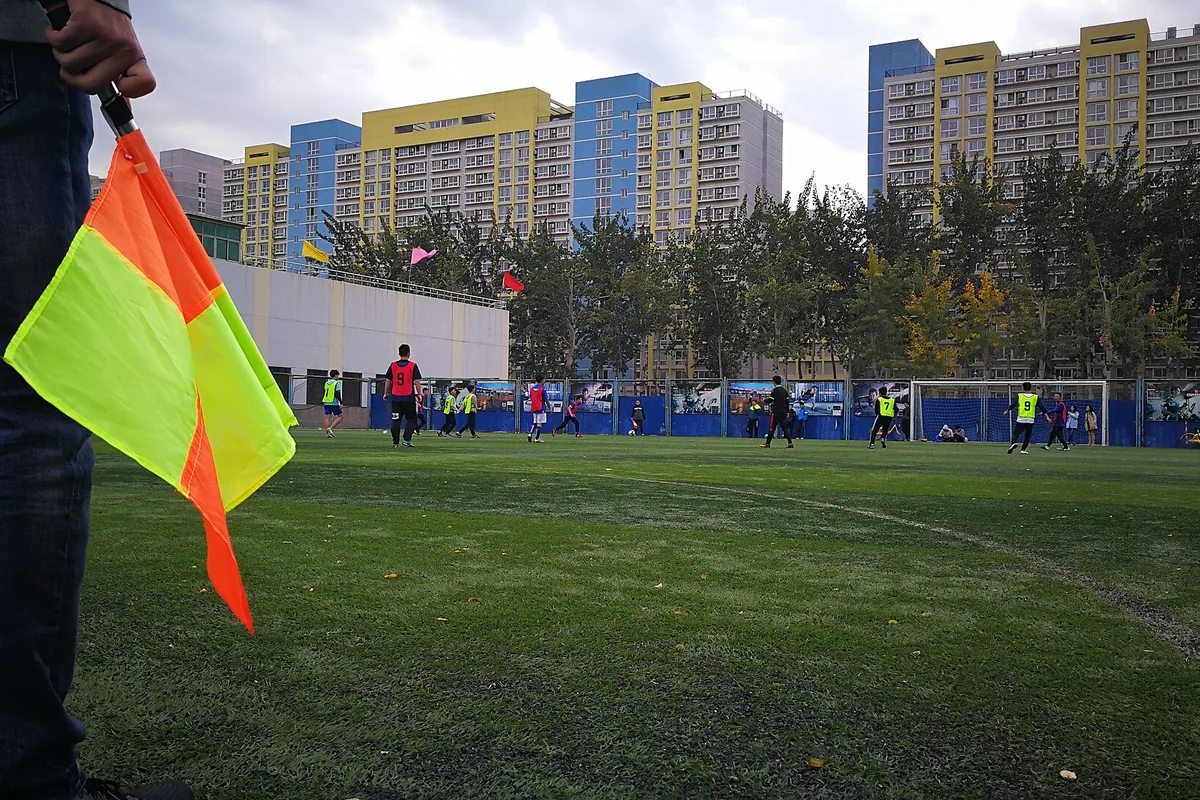
Running a competition manually creates fixture clashes, disputed results and a mountain of administration. We automate scheduling, bracket generation, eligibility checks and live score distribution so organisers run a professional competition without a war room.
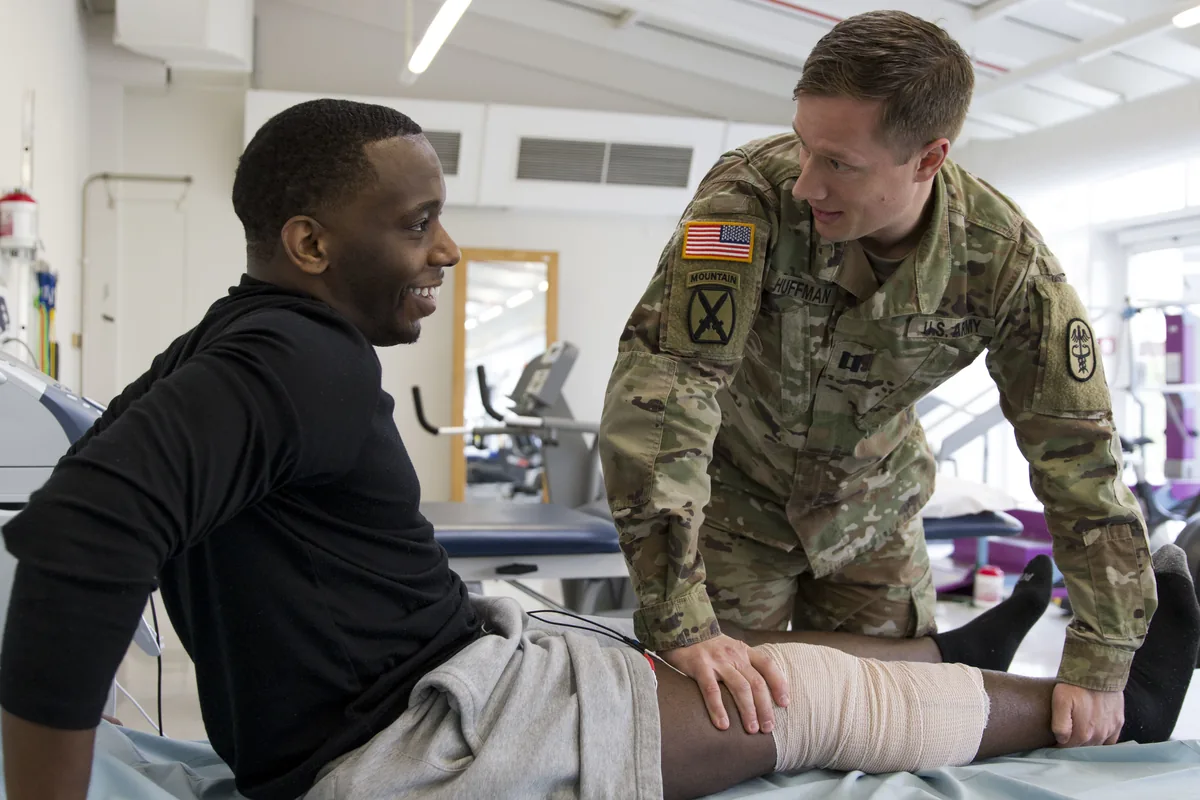
Injury and medical records scattered across paper, spreadsheets and clinic systems make continuity of care impossible. Our sports medicine platforms centralise injury logs, rehab plans and medical history with the access control that health data requires, and surface the recovery signal staff need.
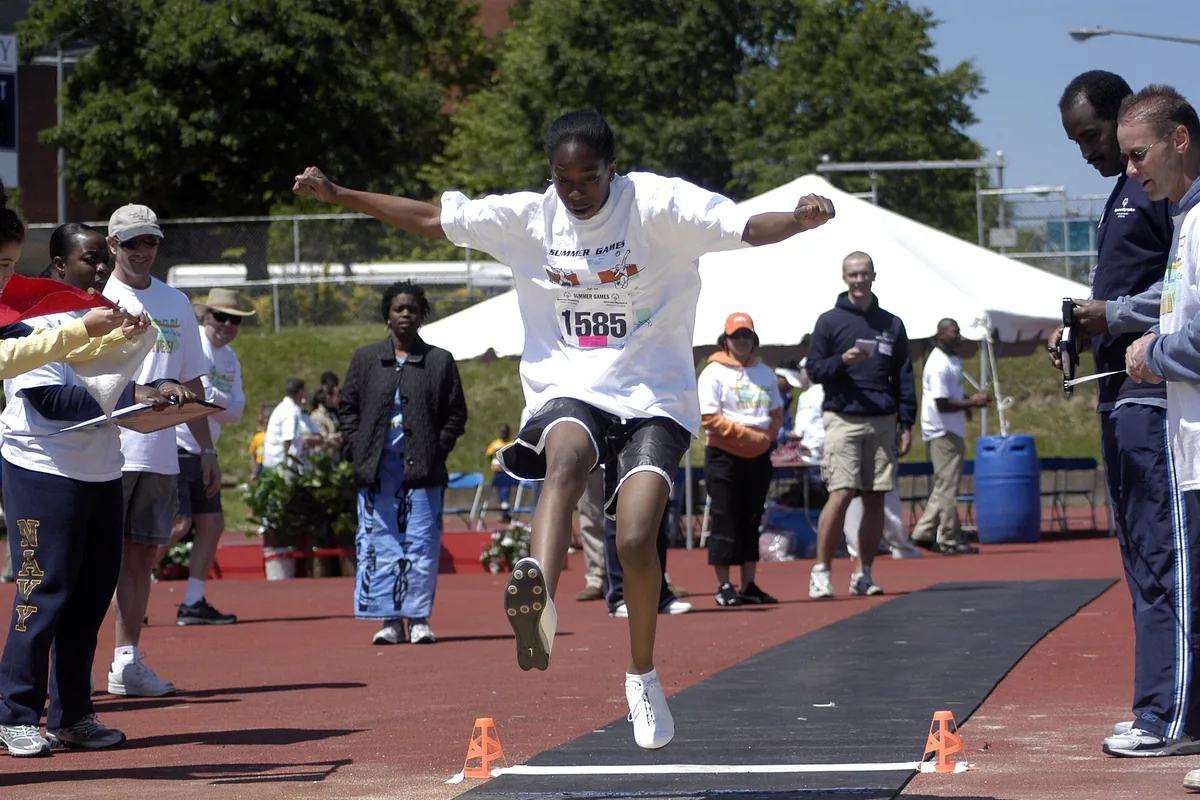
Coaching that depends on in-person sessions caps how many athletes a programme can develop well. We build personalised training plans, progress tracking and performance analytics into one system, so a coach's method scales past the number of people in the room.
Event day exposes every gap in planning, ticketing and communication at once. Our event apps handle digital ticketing, wayfinding, schedules and live updates, so attendees stay informed and your operations team stops firefighting over radio.
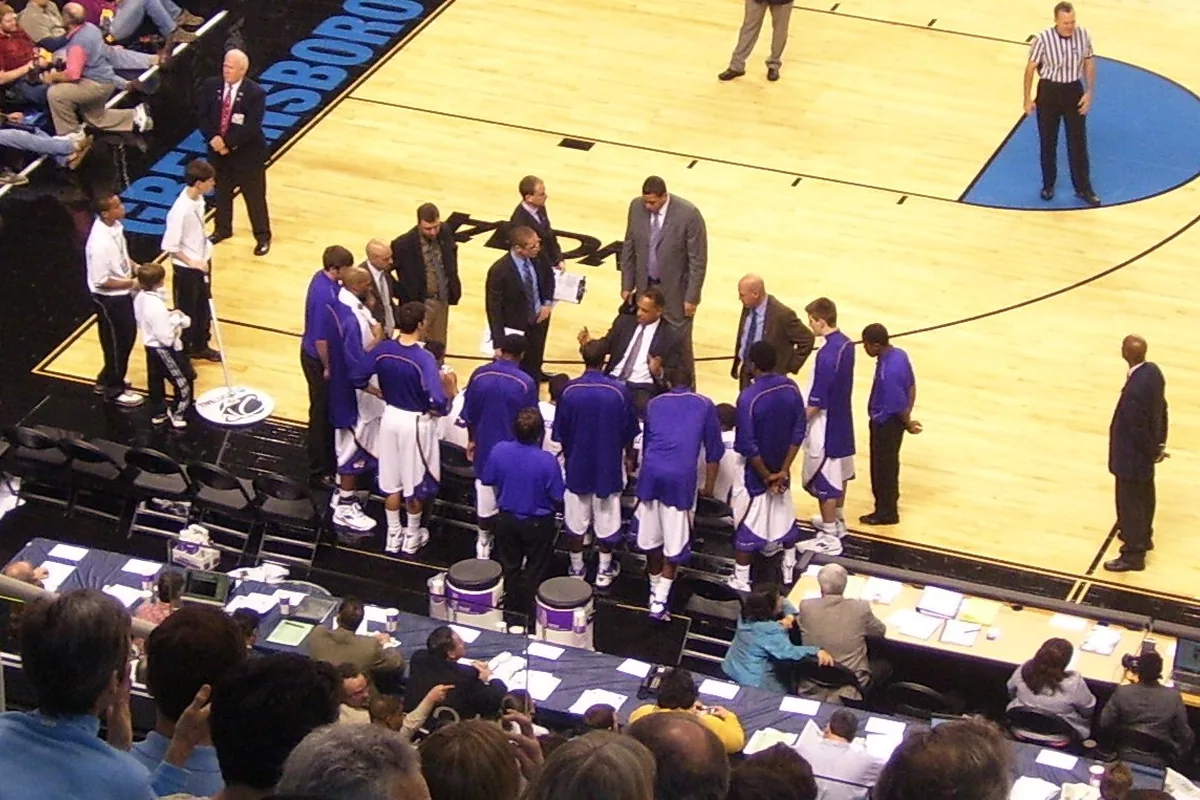
Squads run on spreadsheets and group chats until something important gets missed. We centralise availability, selection, travel, player data and communication so coaches, players and managers work from the same source through a long season.
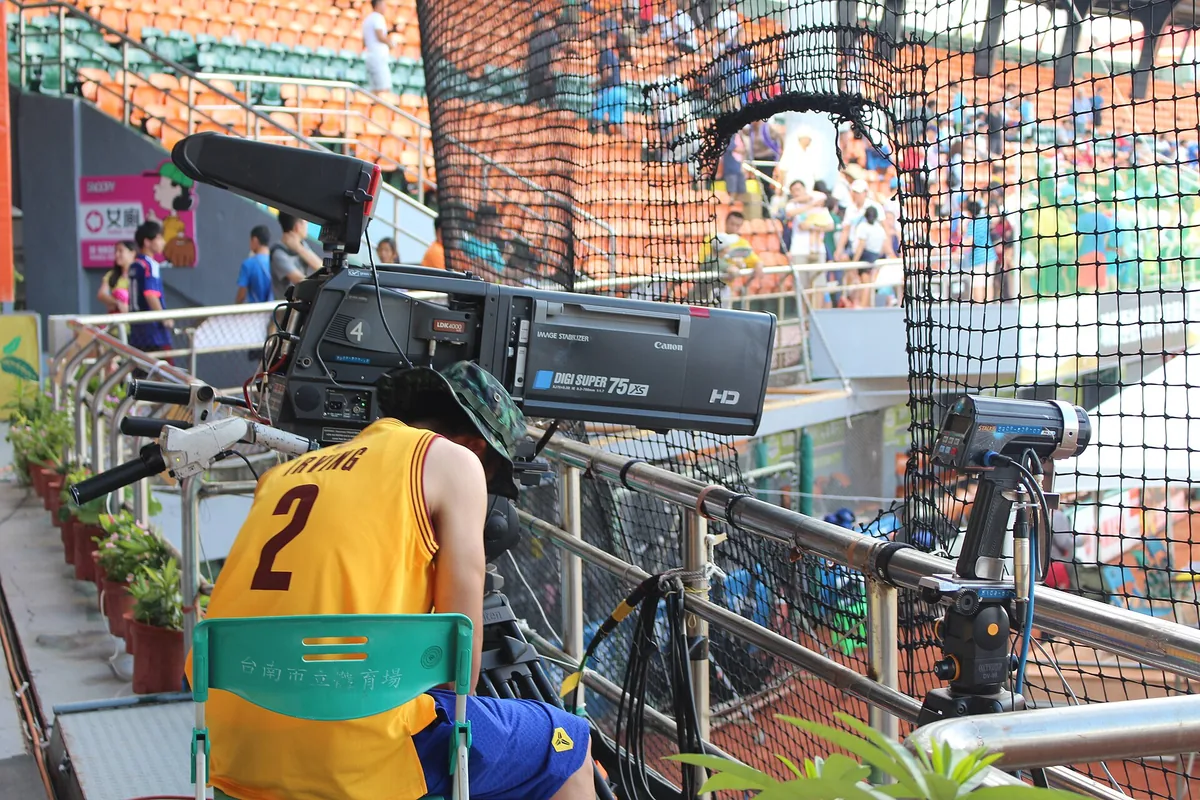
Broadcast usually means high cost, latency and no analytics worth the name. We build live streaming, automated highlight generation and in-stream video analytics that cut delivery cost while opening direct-to-fan revenue you own rather than rent.
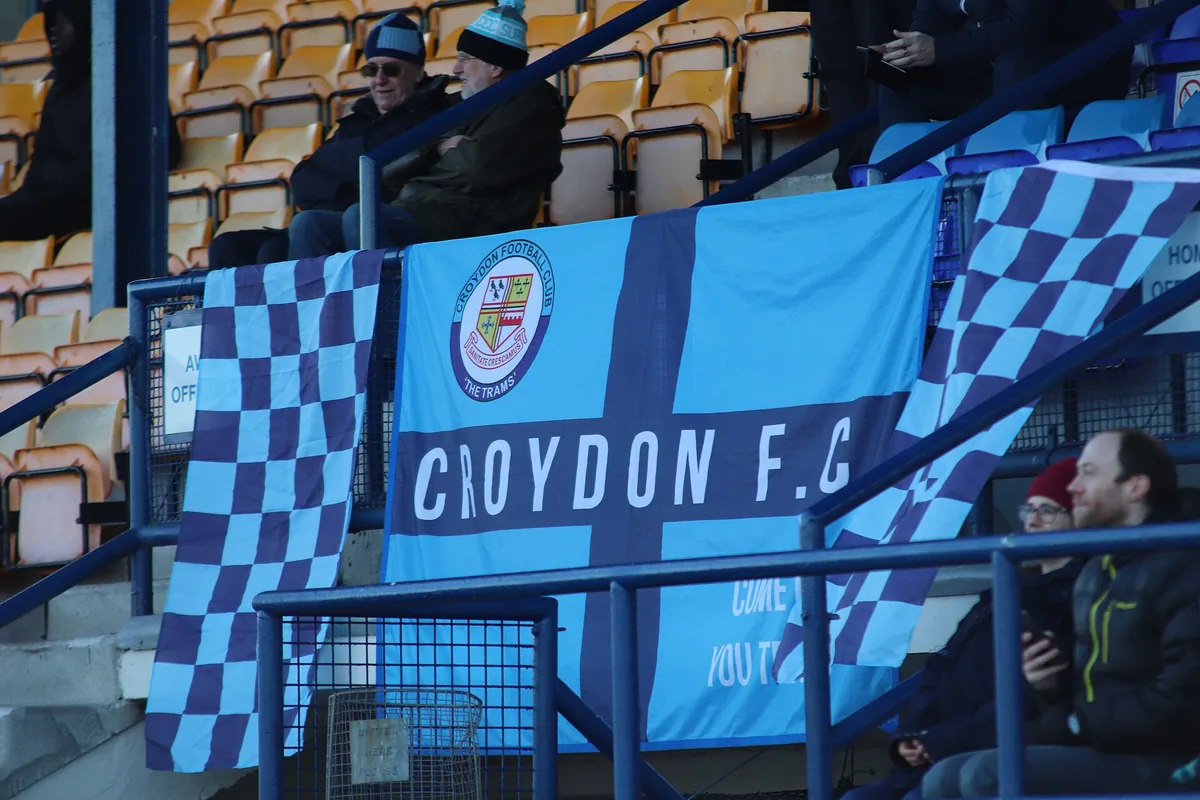
Generic updates and once-a-fortnight contact are why loyalty erodes. Our fan engagement platforms deliver personalised content, live polls, predictions and interactive second-screen experiences that lift retention and give you first-party data worth having.
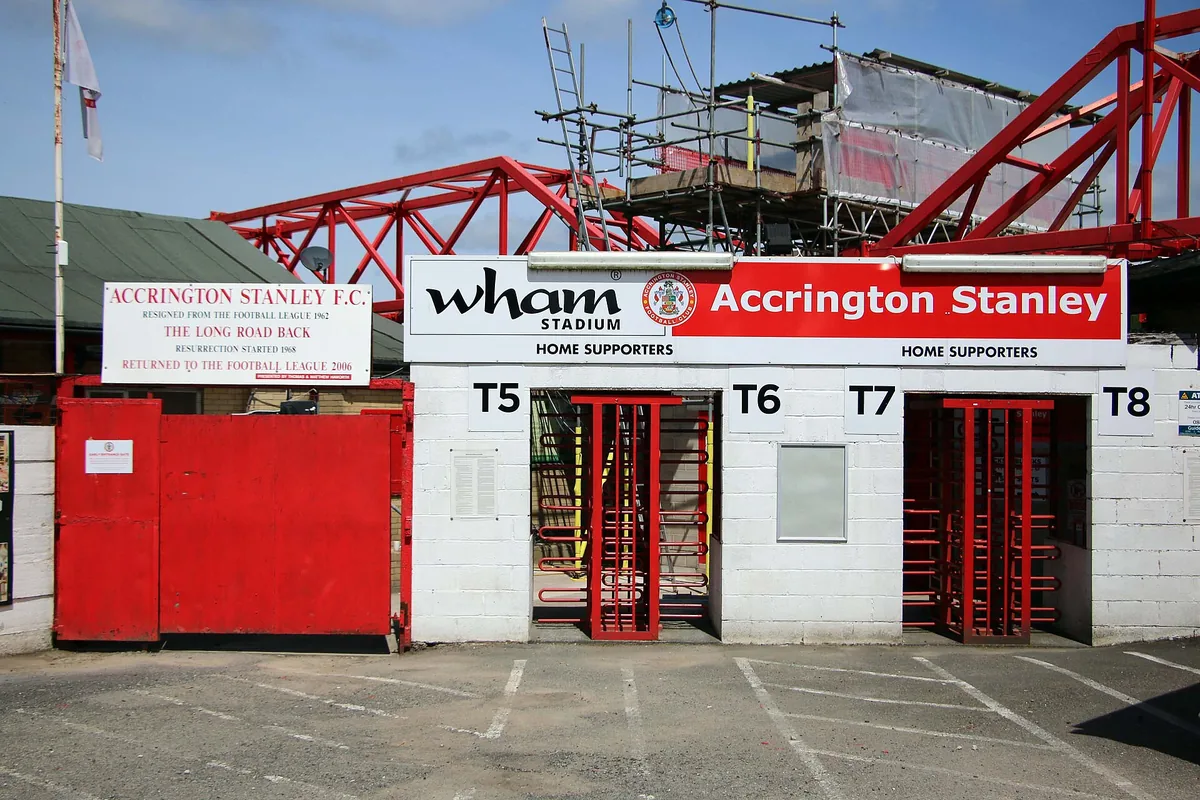
Match-day systems from four vendors become one queue at gate three. We integrate ticketing, access control, retail and stewarding into a real-time operations view, with dynamic pricing and demand forecasting that fill seats before the day rather than discount them after.

Recruitment still turns on the games a scout could physically attend. We build data pipelines and similarity models across competitions and age groups, so a shortlist reflects the whole market and every recommendation carries the evidence behind it.
These are the sports solutions we get asked for most. If you have a specific idea, an existing platform that needs rescuing, or a requirement nobody has built yet, that is the conversation we most want to have.
How we deliver
Five ways we engage, from a scoped pilot before pre-season to a long-running platform partnership across competitions and venues. Every engagement is sized to a calendar you do not control, so delivery lands between fixtures rather than across them.

End-to-end delivery of the platform itself: architecture, data model, services, interfaces and the release process behind them. We start with the one workflow that costs your staff the most hours, ship it, and grow the system outward from something already in daily use.
You get working software in weekly increments, with the first usable capability live long before the full scope lands. Nothing is built behind a curtain for three months and revealed at the end, which is how sports projects usually miss a season.
A short, honest engagement that maps your data estate, names the models worth building, and says plainly which ideas will not pay for themselves. Most organisations already hold more signal than they use; far fewer hold enough for the model somebody sold them.
You leave with a costed roadmap rather than a proposal: what to build first, what it needs from your data, what it will cost to run, and the measurement that tells you whether it worked.
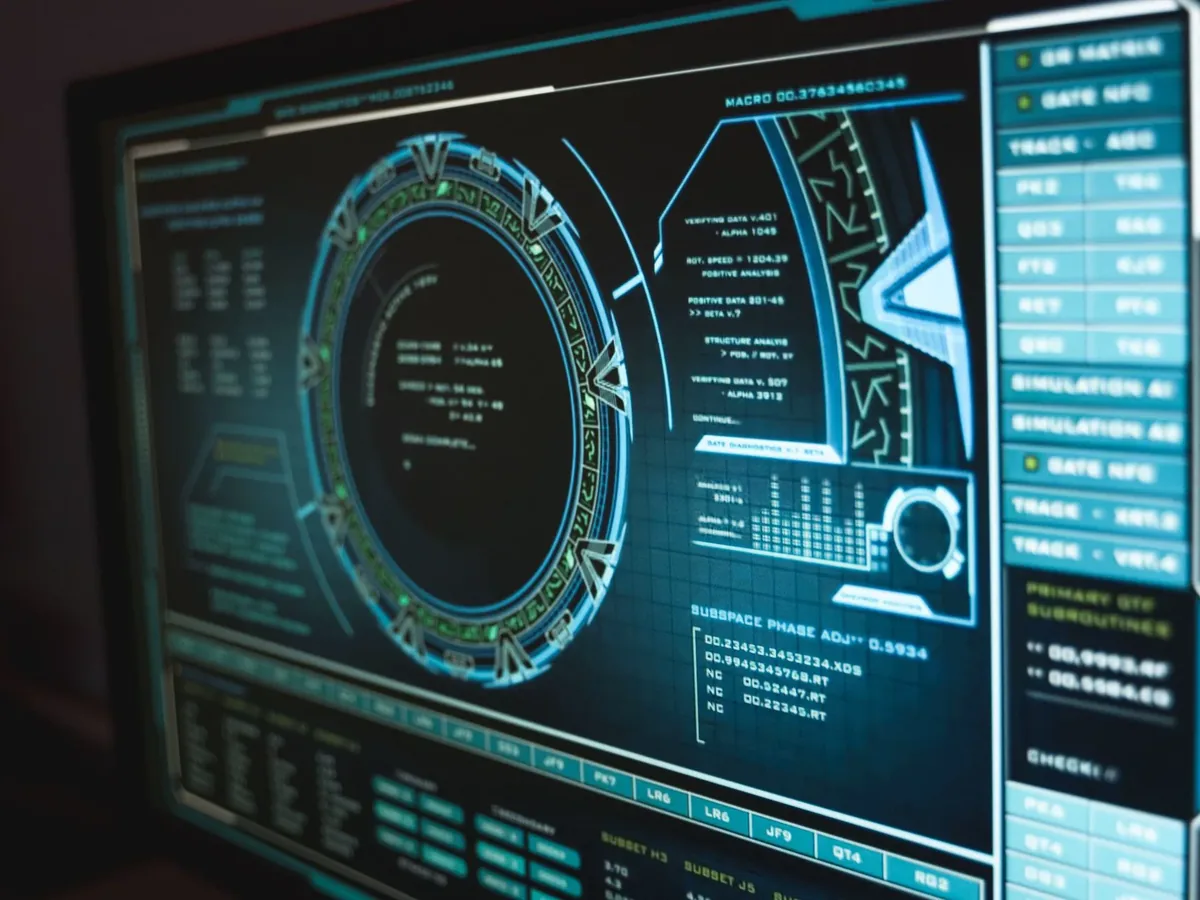
Automated event tagging, player tracking, pose estimation and brand detection, running on live feeds or a decade of archive. The output is structured data your other systems can query, not another video player nobody logs into.
We train on your competition rather than a public dataset, because camera angles, kit colours and pitch markings are exactly what breaks a generic model. Accuracy is reported per event type, so you know which outputs to trust and which still need a human.
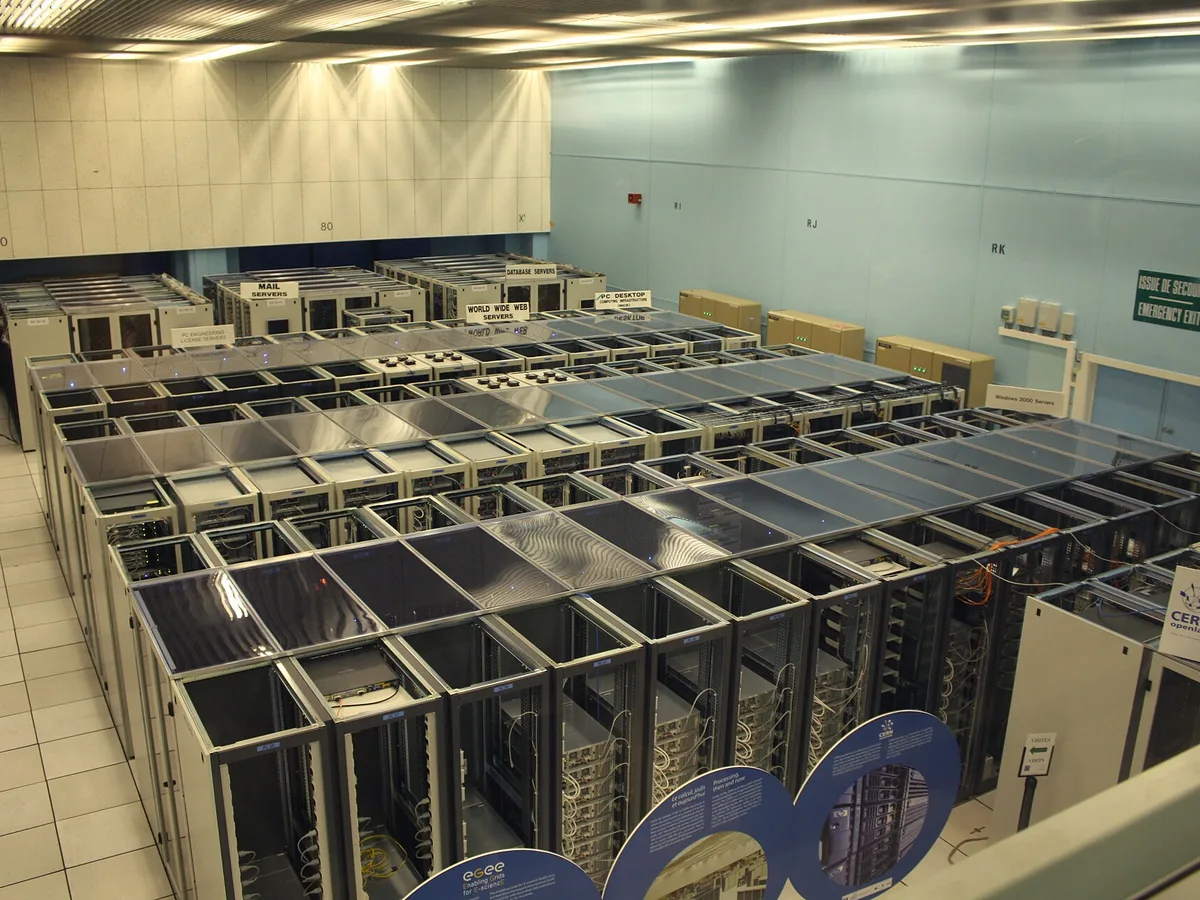
Most organisations do not start from nothing; they start from six systems that do not talk. We build the integration layer, migrate what deserves to survive, and retire the rest without taking match day offline.
The work is staged so every step is independently useful and independently reversible. If we stop halfway, you are still better off than when we started, which is the only honest way to modernise a system a season depends on.

Match day is a traffic spike with a fixed start time. We build the streaming, caching and autoscaling layer that survives it, plus the observability to prove it held and the cost controls to keep the quiet weeks cheap.
Capacity is load-tested against your own peak, not a vendor benchmark, and the same architecture scales down between fixtures so you are not paying stadium-day rates on a Tuesday in February.
Whom do we build custom sports solutions for?
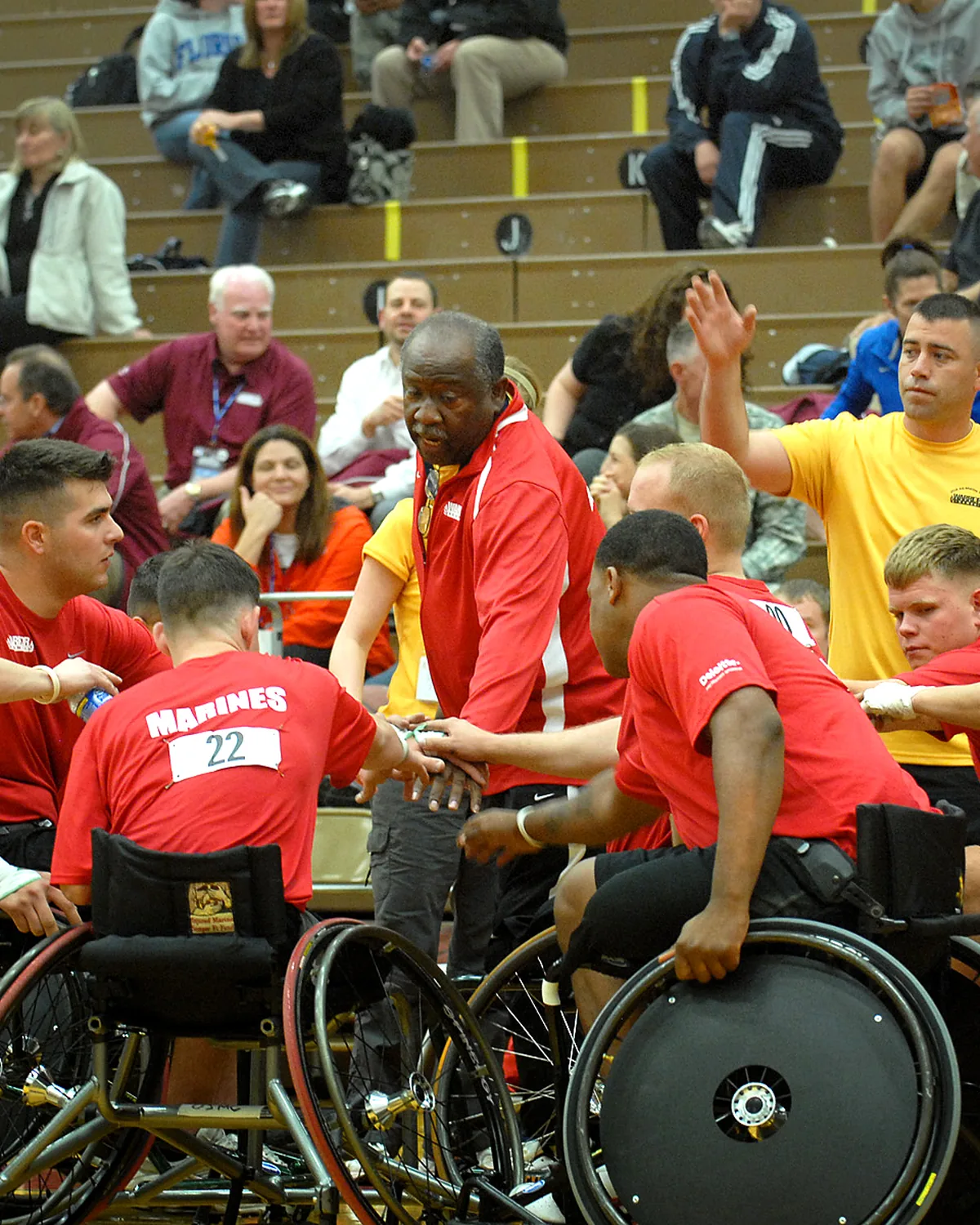
Load management, opposition analysis and selection evidence in one place, so the week's plan is built on the squad's actual state rather than last week's impression of it.

Personal dashboards covering training load, recovery, nutrition and rehab progress, with clear control over who sees which part of their own data.

One operating system for the organisation: squad administration, medical, performance, ticketing and commercial, reporting into the same numbers the board reviews.
Automated highlight generation, searchable archives and live statistical feeds, so a package ships during the match instead of the morning after it.
Measured brand exposure across broadcast and social, audience segmentation from first-party data, and valuation models that make a renewal negotiation an evidence-based one.
Rehab protocols, return-to-play criteria and objective movement assessment in a shared record, so handovers between medical and coaching staff stop losing detail.
Which sports do we serve?
The performance, operations and fan problems rhyme across codes; the data model and the rules do not. These are the sports we have shipped against.
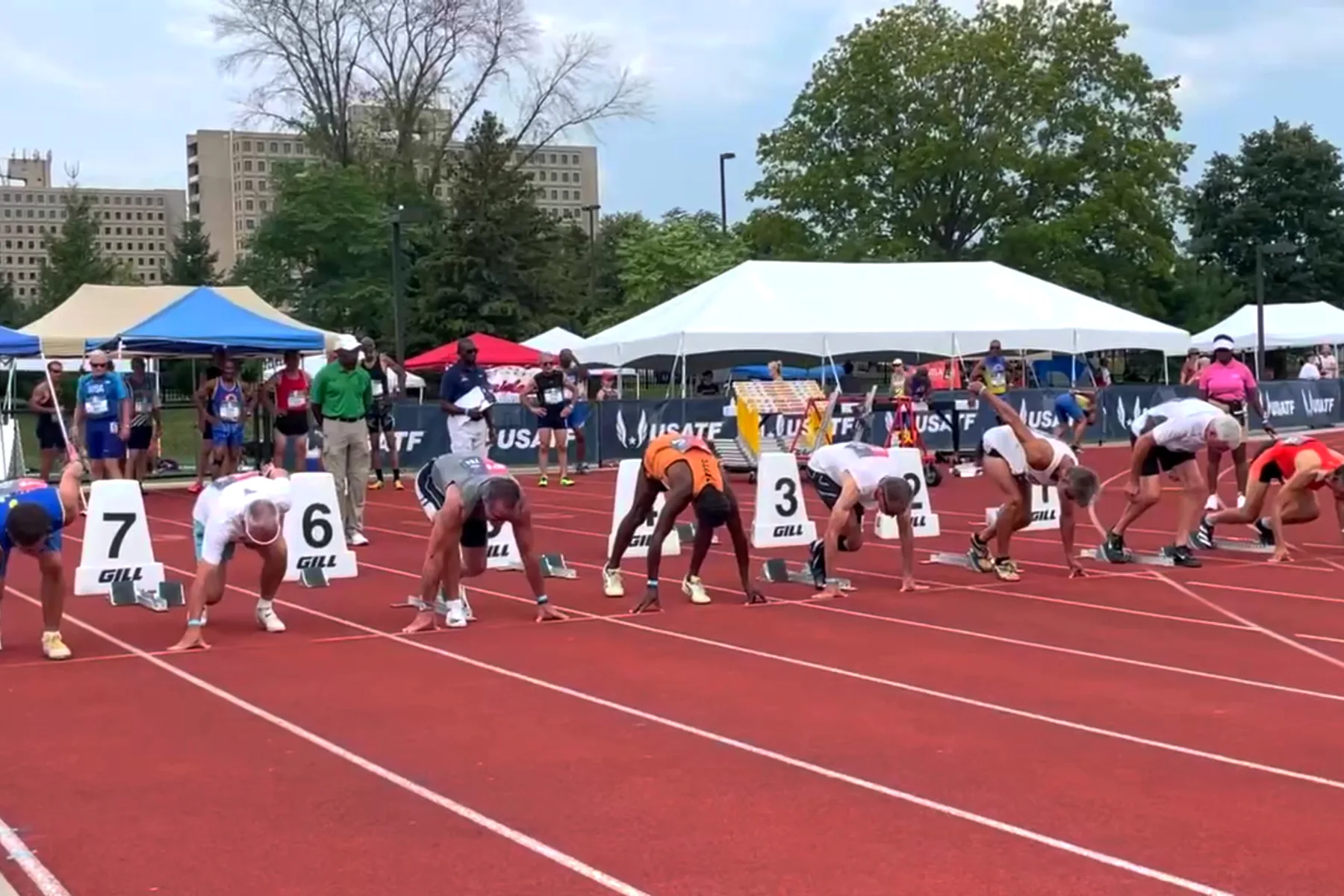
Match analysis, academy pathways and matchday operations.
Ball-by-ball data, workload tracking and multi-format scheduling.
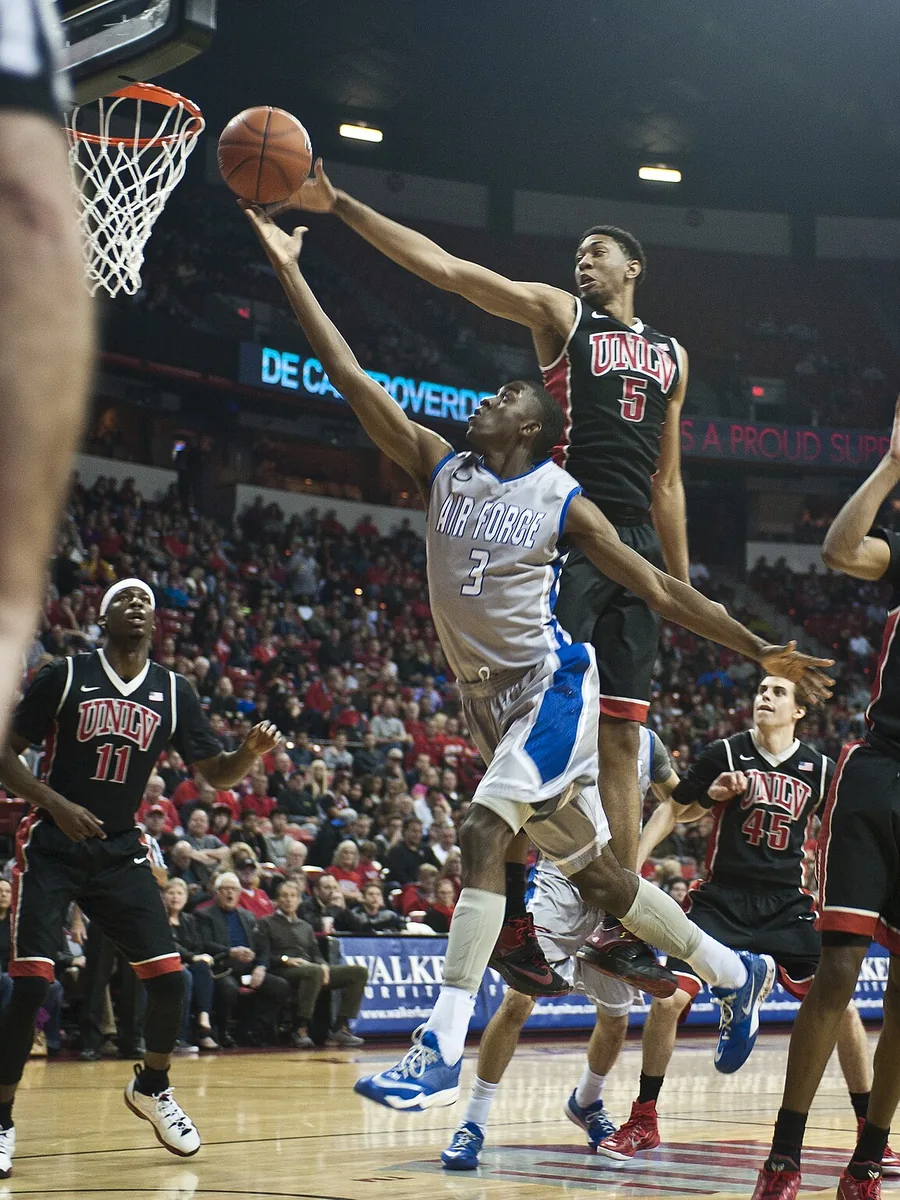
Possession analytics, rotation planning and arena engagement.
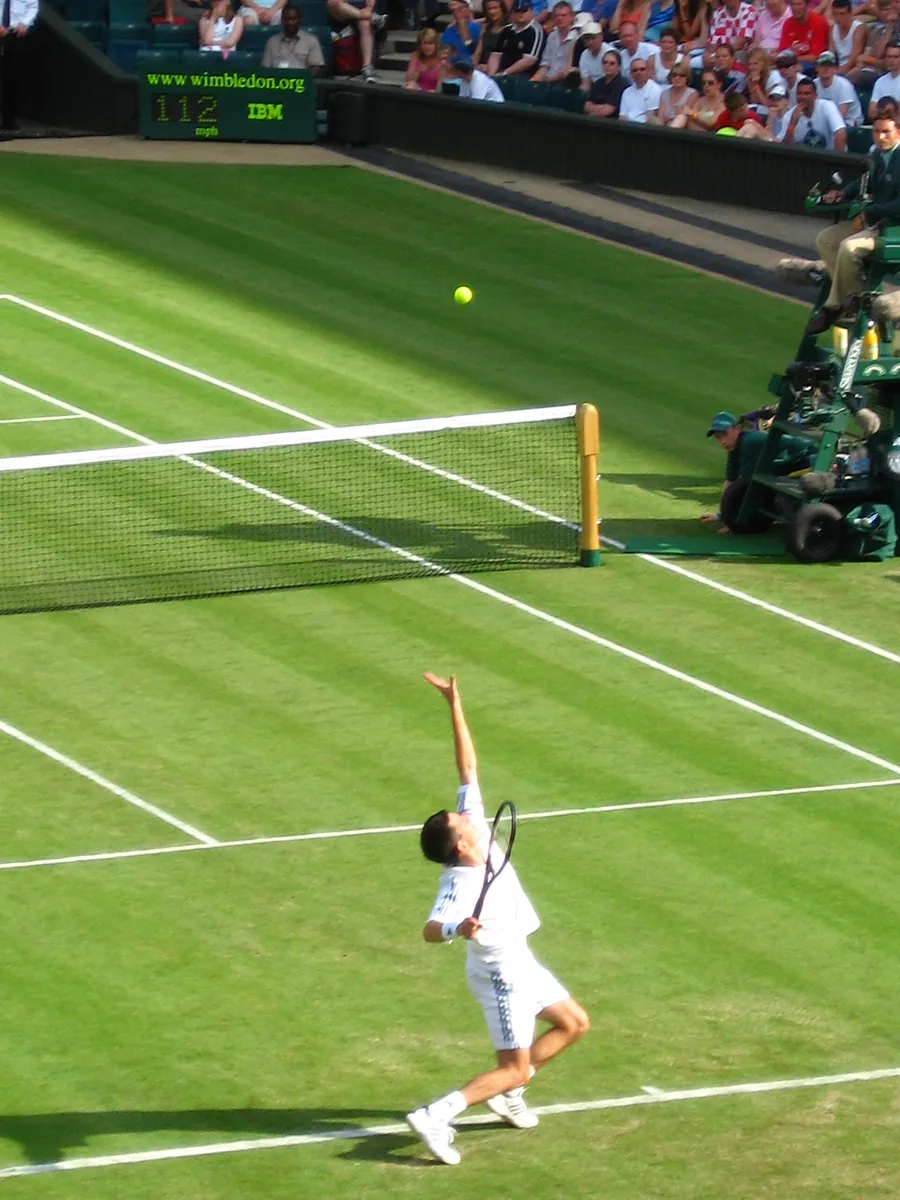
Shot and rally analysis, tour scheduling and coaching review.

Pitch tracking, biomechanics and minor-league player development.

Swing analysis, course management data and club operations.
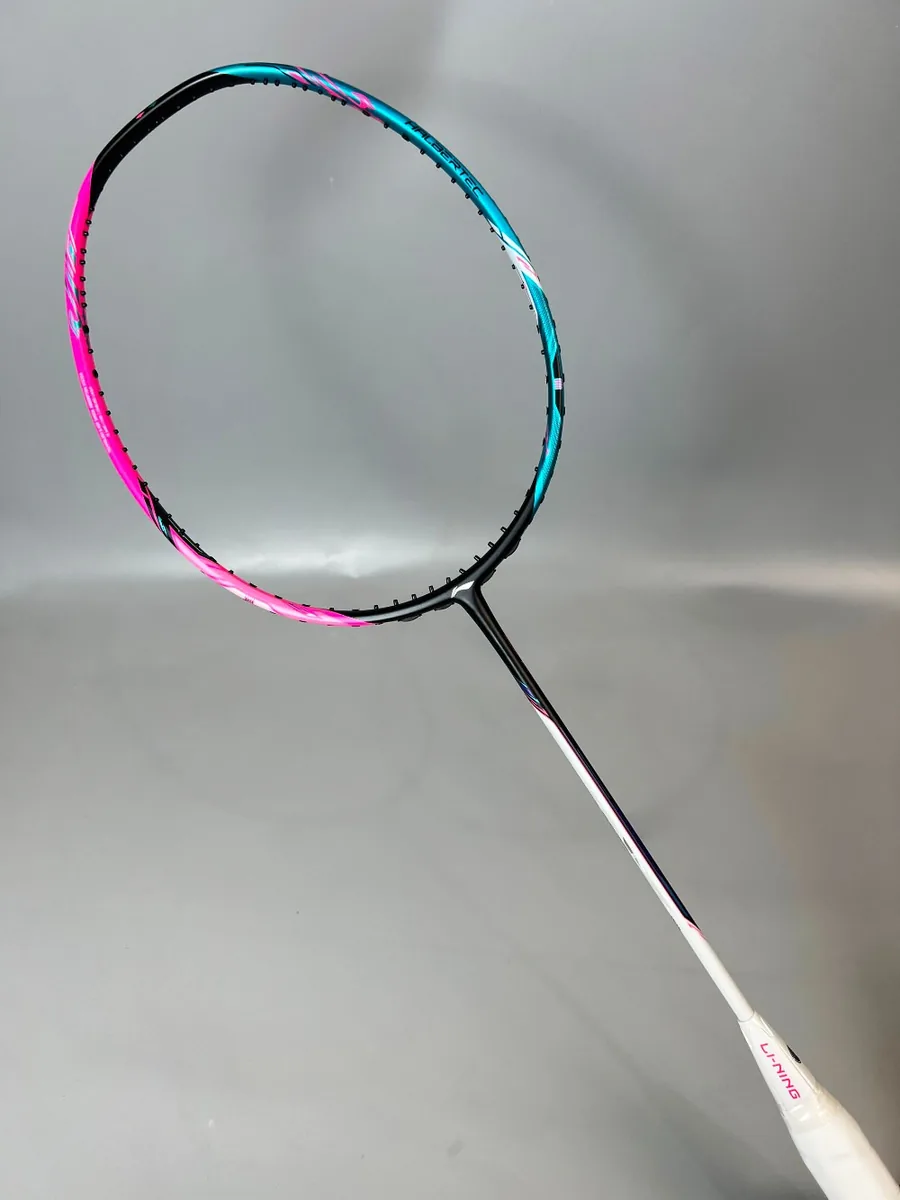
Rally analytics, court scheduling and federation administration.
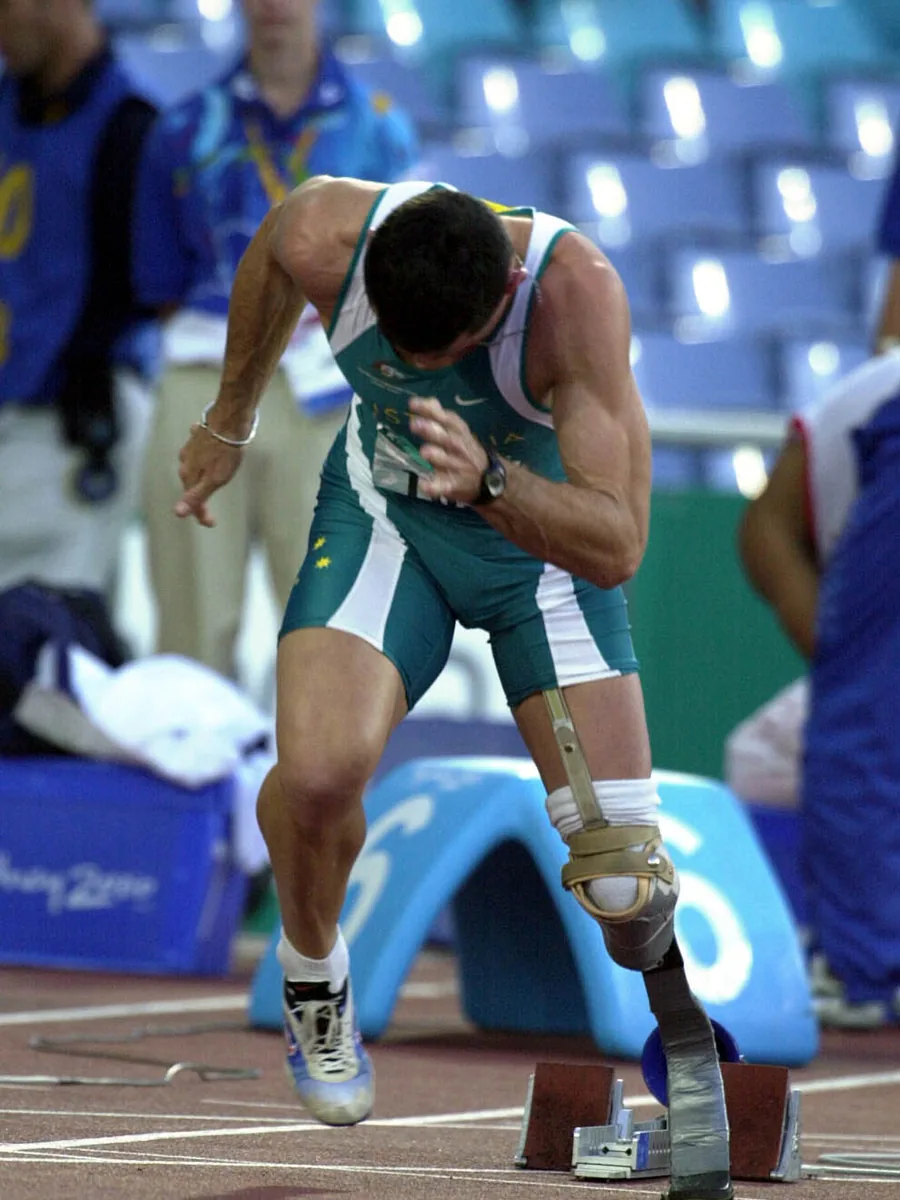
Split timing, sprint mechanics and meet management.

Stroke rate analysis, session planning and gala administration.
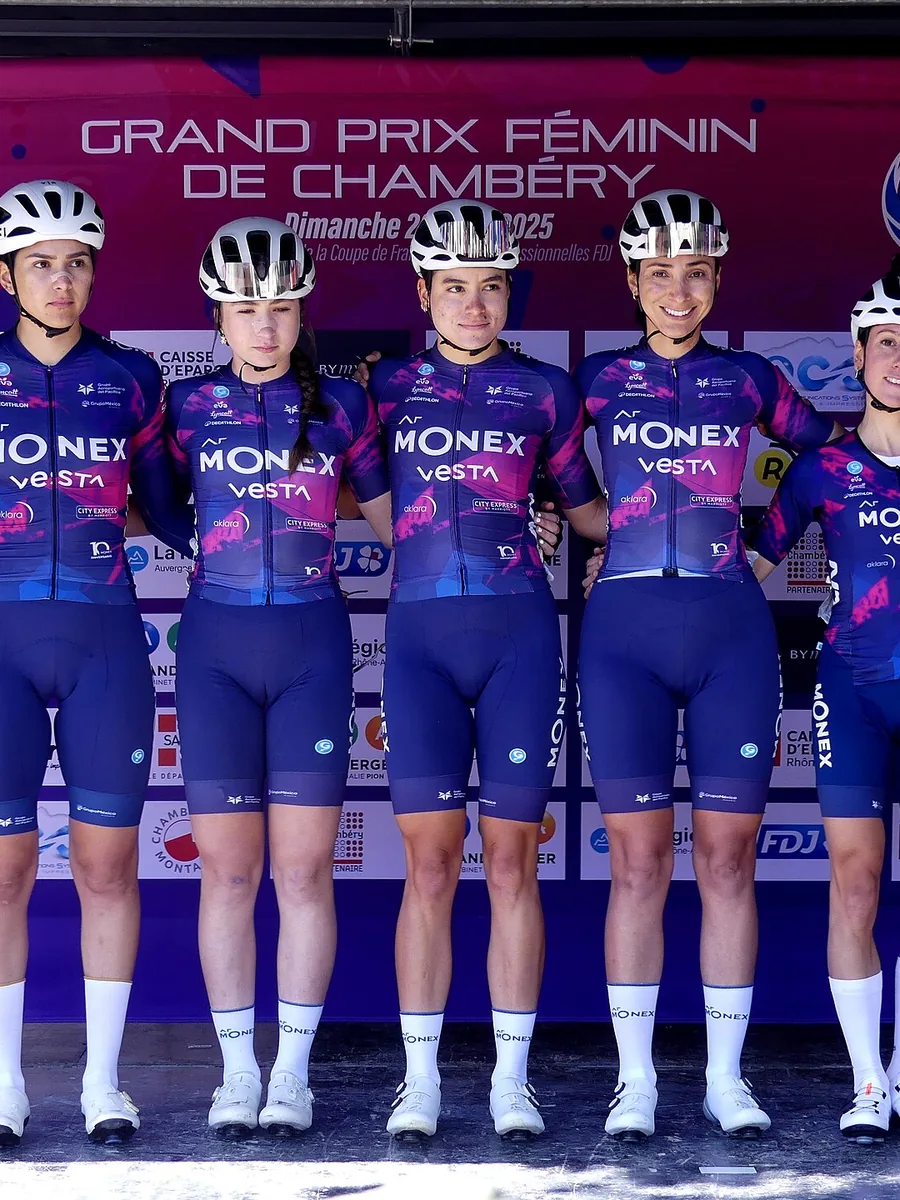
Power data, route telemetry and race logistics.
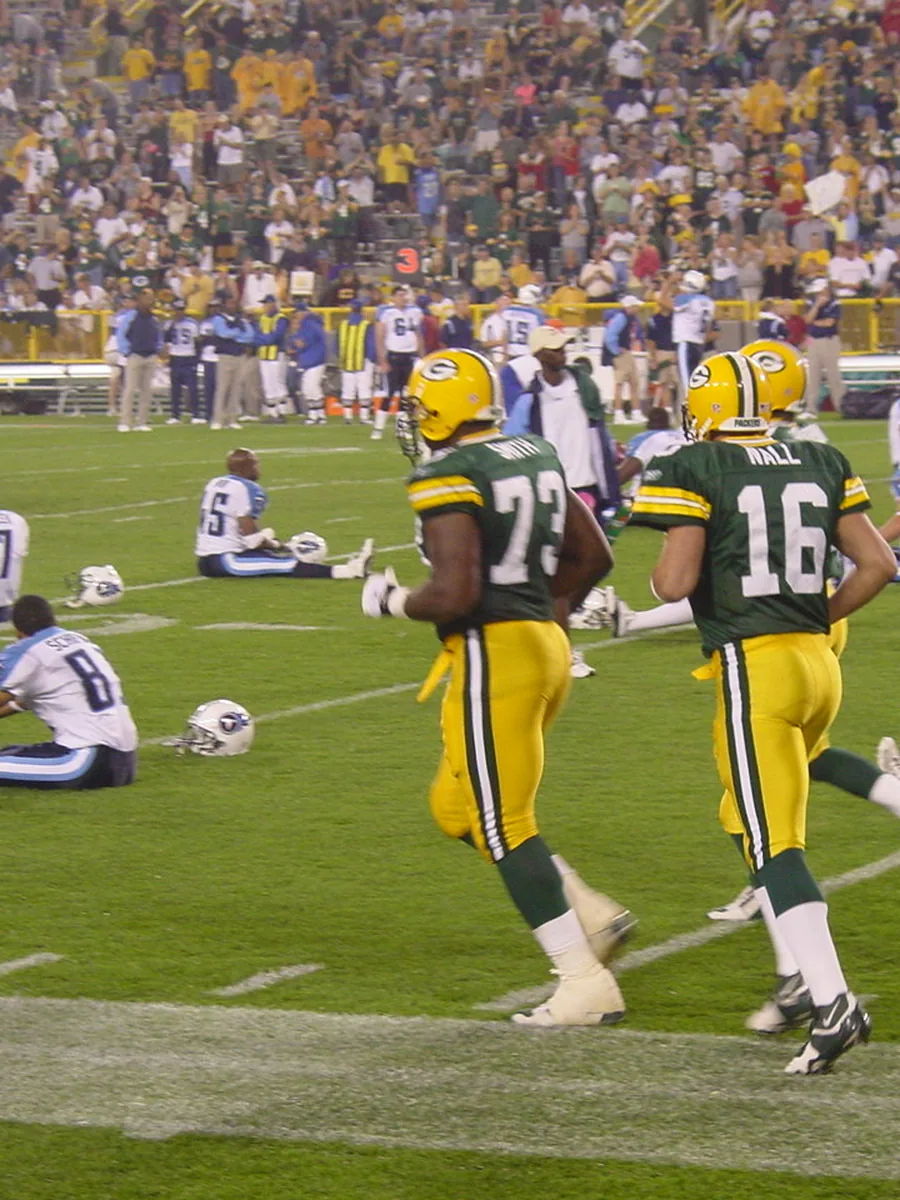
Play tagging, snap counts and collision-load monitoring.
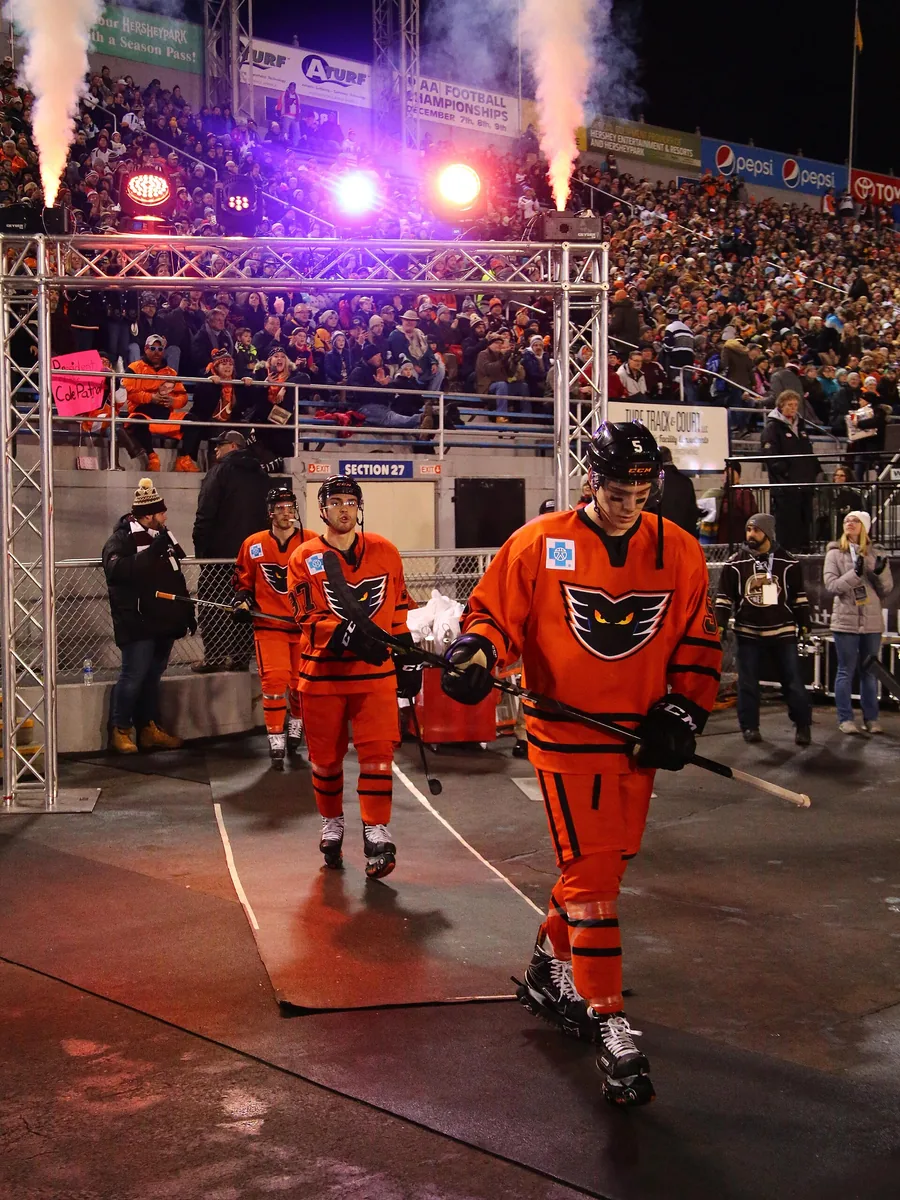
Shift tracking, puck and ball possession data, rink operations.
What you can optimise with AI-powered sports applications
Athletes get training prescribed against their own measured state: load history, movement quality and recovery, rather than a squad-wide plan that fits the average and nobody in particular.
Wearables, optical tracking, AR and VR training environments and league data feeds all land in one model, so a new sensor becomes an input rather than another platform to log into.
Scheduling, squad administration, medical records and facility management run off shared data with real-time reporting, which removes most of the manual coordination a season currently demands.
Personalised content, live interaction and second-screen features keep supporters engaged between fixtures, and give you the first-party data that makes the next campaign cheaper.
Automated billing, subscriptions, dynamic ticket pricing and measured sponsorship exposure turn commercial guesswork into forecastable, defensible numbers.
Monitoring physical and mental load reduces avoidable injury and keeps more of the squad available, which is the single cheapest performance gain most organisations have left.
Bring us the bottleneck, whether that is performance analysis, match-day operations or a fan platform that has stopped scaling. We will scope it honestly, build it in increments you can use, and tell you which parts are not worth building at all.
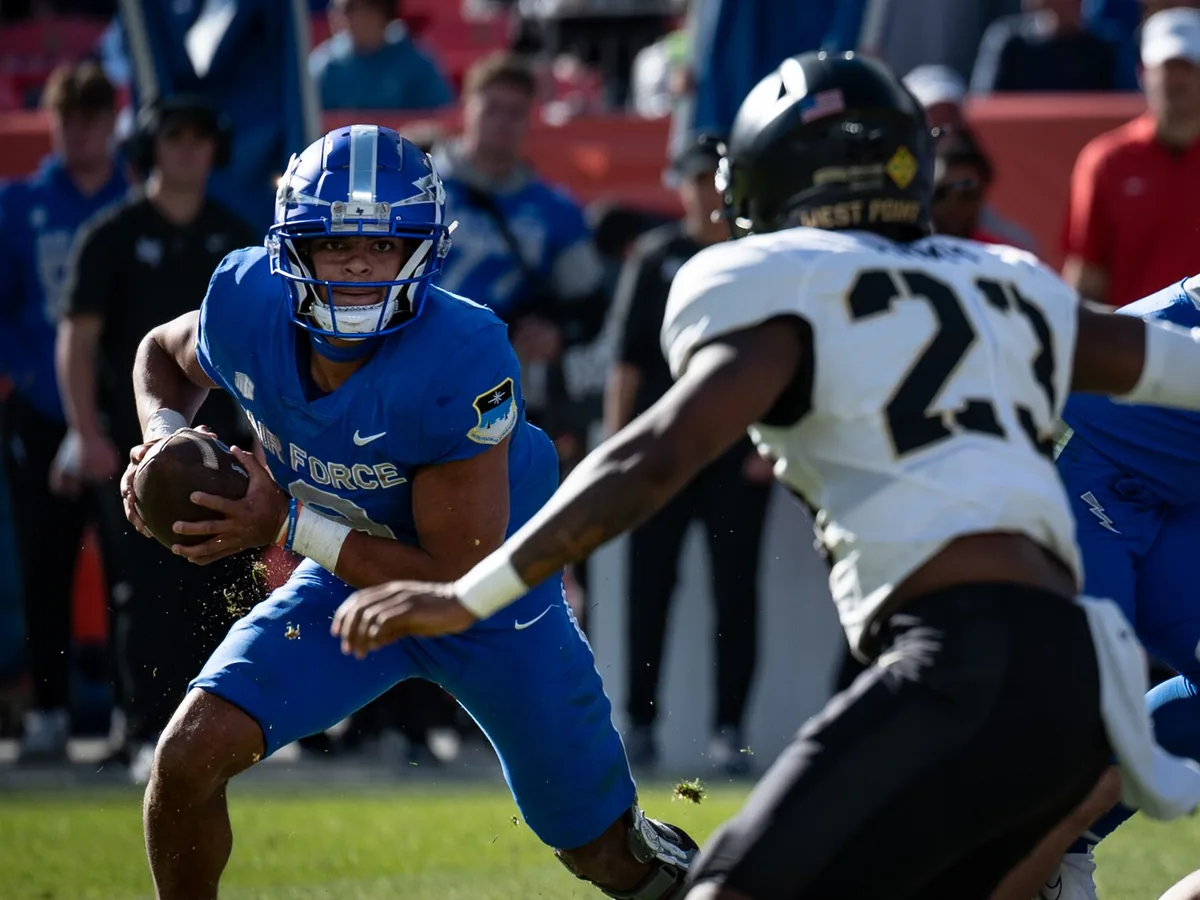
Our portfolio
A selection of the platforms and models we have shipped, including the video analytics and real-time data work that sports organisations come to us for.

Virtual Sales & Customer Support Assistant

Patient Intake & Triage AI Agent

Healthcare Chatbot & Virtual Assistant

AI Financial Advisor Assistant

Medical Imaging & Disease Identification

AI Physical Therapy Coach

Readmission Risk Prediction

Regulatory Document Analysis

Customer ID Checks & Onboarding Automation

In-Store AI Shopping Assistant

AI Fraud Detection for Payments

AI-Powered Personalized Marketing

AI Credit Scoring for Lenders

AI Inventory & Demand Forecasting

Smart Pricing for Retail
Technologies we work with
The same production-grade toolchain sits under every sports platform we ship. Pick a layer to see what it is made of.
Who do we work with?
Registration, subscriptions, scheduling and parent communication in one place, so volunteers stop running a club out of a shared inbox and a spreadsheet.
Performance, medical, recruitment and commercial systems on shared data, with the access control and audit trail a first-team environment needs before anyone will use it.
Competition management, eligibility and disciplinary workflows, official data feeds and the distribution layer broadcasters and betting partners consume.
Venue operations, fan platforms and white-label products, including the MVP work that has to prove a market before the next funding round.
Why is it worth working with us?
“Commendable work by the team. They collaborated and communicated in a highly professional manner and delivered exactly what was asked in the desired time frame. Their project management and communication skills are highly appreciable.”
Why is it worth working with us?
Our engineers have shipped against training weeks, transfer windows and match-day constraints. Every system we design fits how a season actually runs, which is why staff use it past the first month.
GPS vendors, optical tracking, ticketing platforms, CRM and league feeds each have their own idea of a schema. We build the layer that reconciles them, modular enough to survive the next vendor change.
Biometrics, medical records and minors' data carry real obligations. Consent, retention, residency and access control are designed in from the first architecture session, with post-launch support for up to 60 days within the agreed scope.
500+
Projects Delivered
170+
Valuable Partnerships
30+
Countries Served
85+
Tech Experts
Recognised & certified











Sports questions
Performance and motion analysis, sports medicine and injury tracking, team and league management, ticketing and venue operations, streaming and broadcast tooling, fan engagement platforms, and the web portals that sit on top of all of it. Most engagements start with one of those and grow into the data layer underneath.
Ready to raise performance, tighten operations and turn attention into revenue? Talk to our sports software engineers.
Get your project done!