1016
AI-enabled medical devices have now been authorised by the FDA, with radiology accounting for roughly three quarters of them.
FDA, AI/ML-Enabled Medical Device List 2025
AI for the healthcare industry
We build clinical-grade systems that give time back to the people delivering care. Our AI healthcare software development services help hospitals, telehealth providers, labs and health-tech companies remove documentation load, shorten diagnostic turnaround and close the gaps between EHR, imaging and billing, without ever putting protected health information at risk.
Axiomra is a custom healthcare software development company that helps providers, payers and health-tech founders turn fragmented clinical data into systems clinicians actually trust. We design and build HIPAA-ready platforms that reduce administrative load, surface the right information at the point of decision, and integrate with the EHR you already run rather than asking you to replace it.
Our AI healthcare software development services combine clinical NLP, medical imaging models, predictive analytics and workflow automation to shorten turnaround, cut avoidable readmissions and keep documentation current. Every solution is built consultatively, validated against your own clinical data, and shipped with the evidence pack your governance, information security and procurement teams will ask for.

AI healthcare software development services are changing how care is documented, diagnosed and coordinated. By automating the administrative layer and putting predictive signal in front of clinicians, these systems shorten time to treatment, reduce avoidable cost and let scarce clinical capacity go where it matters.
1016
AI-enabled medical devices have now been authorised by the FDA, with radiology accounting for roughly three quarters of them.
FDA, AI/ML-Enabled Medical Device List 2025
29%
average reduction in clinical documentation time reported by health systems deploying ambient AI scribes across ambulatory care.
Peterson Health Technology Institute, Ambient Scribes Review 2025
90%
of hospitals could use AI to improve early diagnosis and shorten patient wait times, according to sector modelling.
WHO, Digital Health and AI Readiness Report 2025
The part nobody demos
PHI
Encrypted at rest and in transit
FHIR
R4 native, not bolted on
Every order, result and note arrives as a claim about a real person, and the system has one chance to attach it to the right record. Match it wrongly and the failure is not a bad row in a table. It is a medication given to someone it was never meant for.
So we build for the record first and the feature second. Identity resolution runs before anything is written, terminology is mapped rather than assumed, and every access leaves a trail an information governance lead can follow without opening a ticket.
Capture
At the point of care
Decide
With the reasoning attached
Between the moment a clinician notices something and the moment the system acts on it sits the part nobody demos and everybody depends on: the identity that resolves, the model that explains itself, and the audit trail that still holds twelve months later.
Overcoming the barriers that hold clinical teams back
For every hour of patient contact, most clinicians spend close to another on the keyboard. We build ambient capture and clinical NLP that drafts the note, codes the encounter and pre-fills the order set, leaving the clinician to review and sign rather than transcribe. The note stays theirs; the typing stops being their job.
What healthcare solutions do we offer?
Healthcare software fails when it is designed for the org chart instead of the ward round. Every platform below is built around a real clinical or operational workflow, integrated with the systems already in place, and validated on your own data before it ever reaches a patient-facing decision.

Whether you are building a specialty EHR or making the one you own usable, we focus on the parts clinicians touch: templated notes, order sets, problem-list hygiene and clean FHIR interfaces. AI drafts the documentation and codes the encounter, so the record is complete at the point of signature rather than at the end of the week.
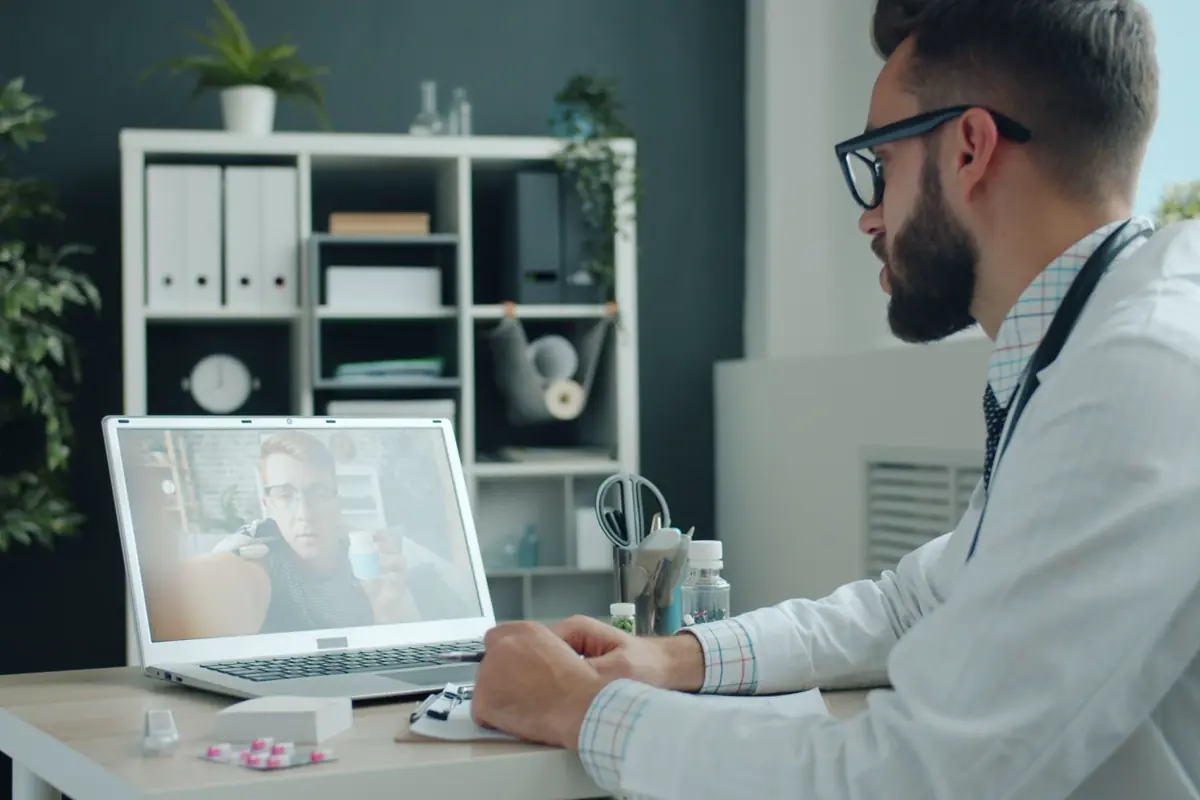
Low-latency video, asynchronous messaging, e-prescribing and remote triage in one platform, with the consultation written straight back into the record. We build for degraded connections and for the patient who is not confident with technology, because those are the visits that fail.
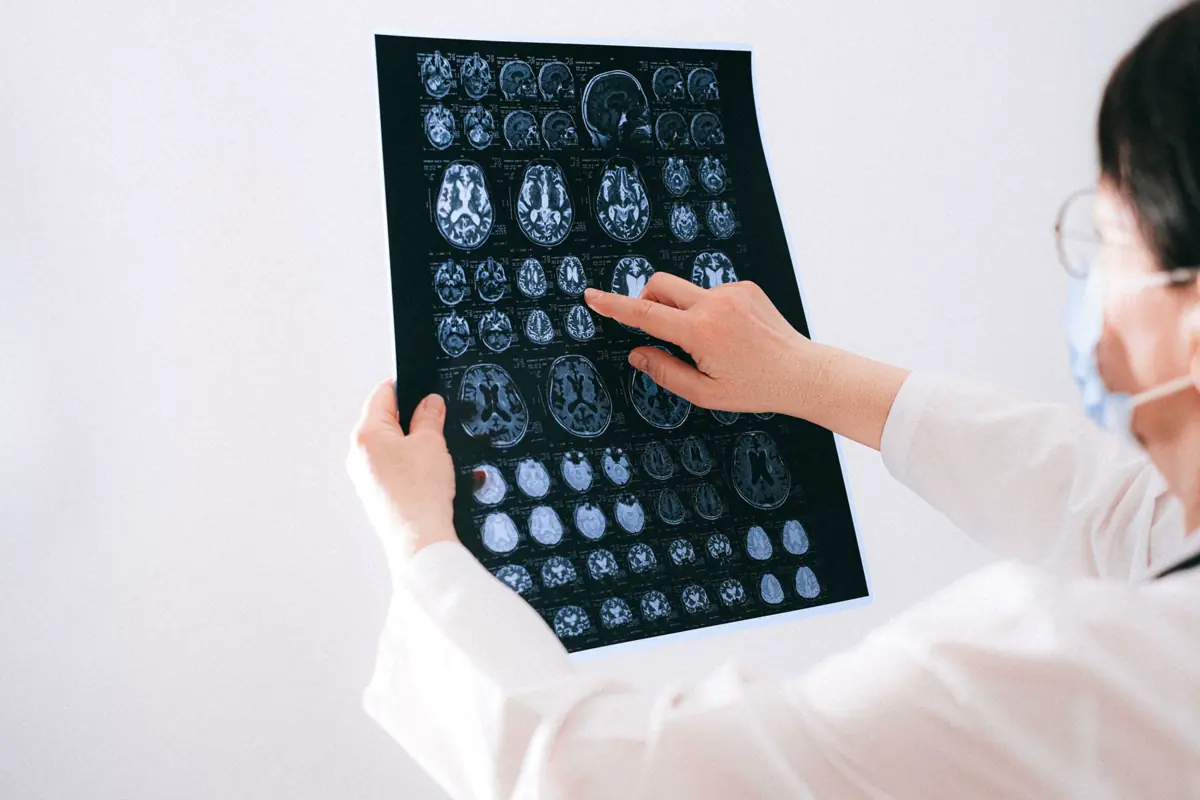
Radiology, pathology and ophthalmology models that integrate with PACS through DICOM rather than sitting in a separate viewer. We handle worklist triage, measurement automation, structured reporting and second-read flags. We are also explicit with you about where a model's performance falls off.
Risk scores, deterioration alerts, sepsis and readmission prediction delivered inside the clinical workflow with the reasoning attached. Alert fatigue is a design failure, so we tune thresholds against your own outcome data and measure suppression as carefully as we measure sensitivity.
Read the readmission risk blueprint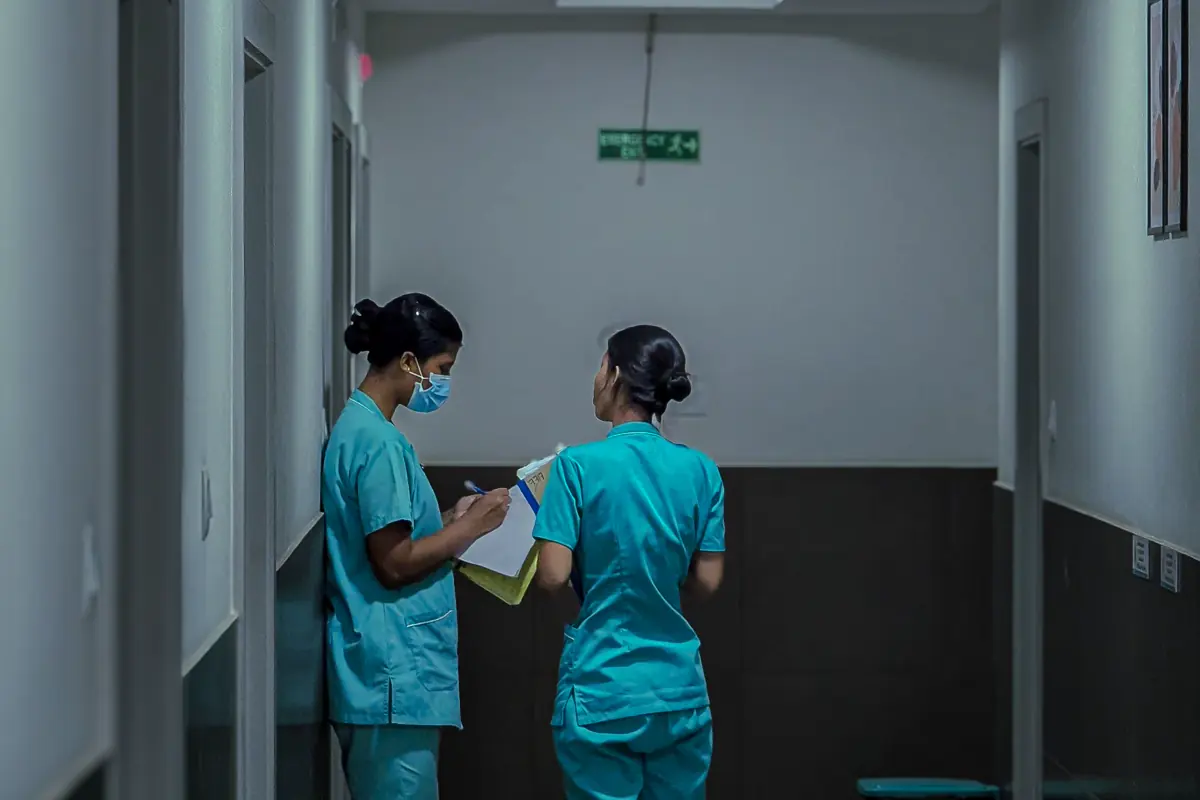
Bed flow, theatre scheduling, rota planning, supply and sterile-services tracking in a single operational picture. Forecasting sits underneath it, so the day is planned against predicted demand instead of yesterday's census.
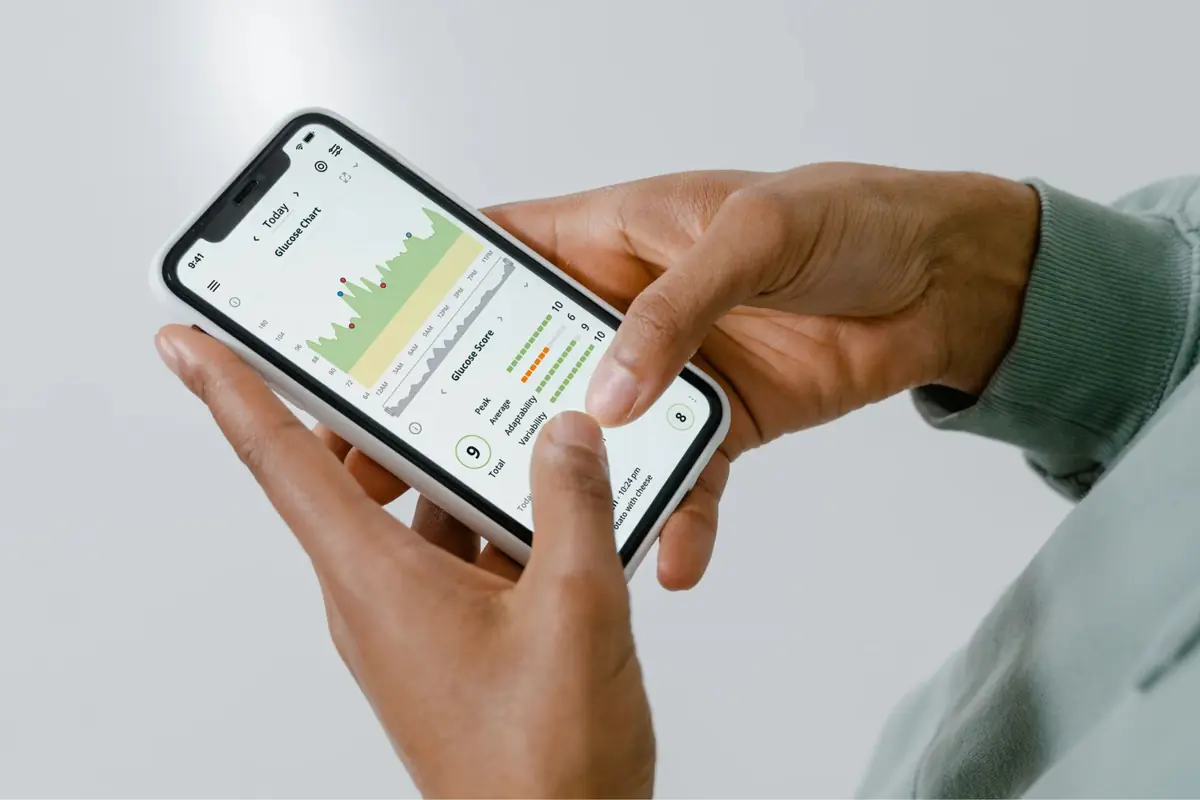
Booking, results, medication reminders, care-plan tracking and secure messaging in an app people over sixty can actually use. Accessibility and reading level are requirements here, not polish. Adherence collapses the moment the interface asks too much.

Computer-assisted coding, eligibility verification, claim scrubbing and denial prediction across ICD-10, CPT and HCC. The model tells you which claim will be denied and which piece of documentation is missing, before submission rather than after the remittance.

E-prescribing, interaction and allergy checking, inventory forecasting and adherence monitoring, integrated with dispensing hardware and the record. Reconciliation at admission and discharge is where most medication error lives, so that is where we start.
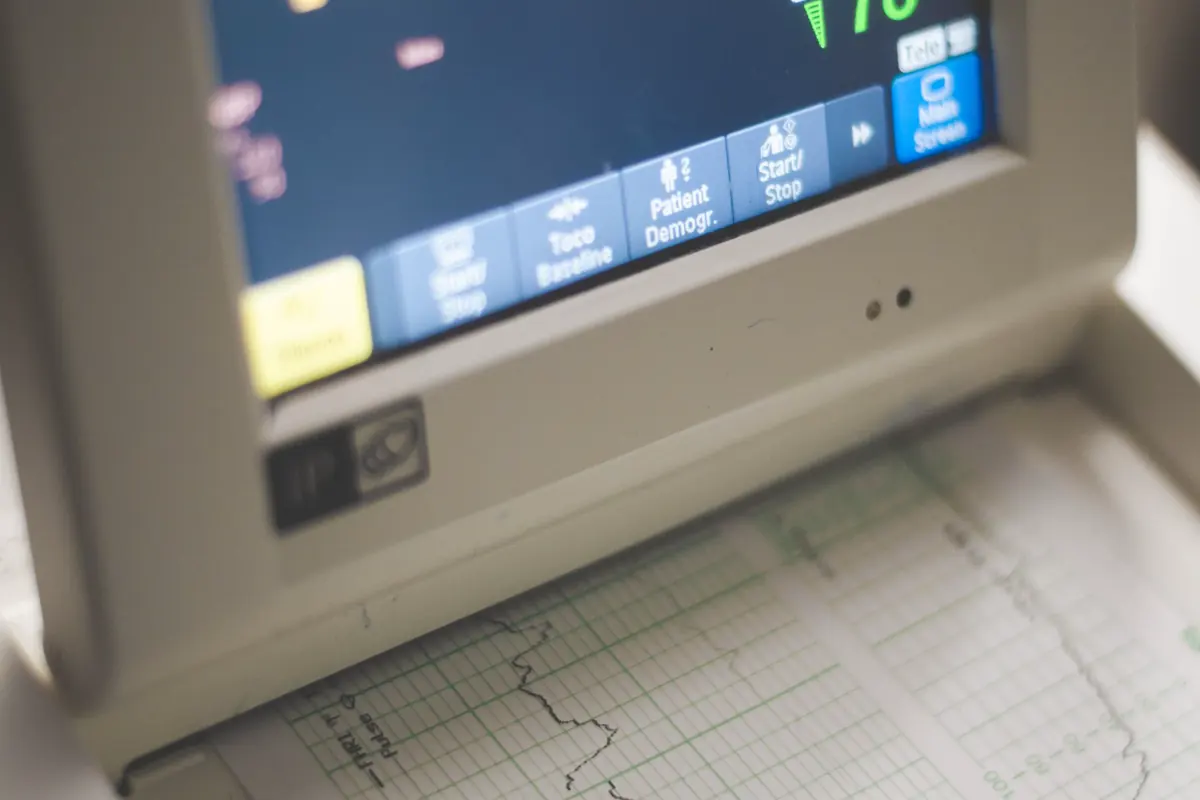
Device ingestion at scale from wearables, glucometers, blood-pressure cuffs and bedside monitors, with the alerting layer tuned so a nurse receives a signal rather than a stream. Chronic-care and post-discharge programmes live or die on that distinction.

Cohort identification from real-world data, eCRF and EDC systems, decentralised-trial tooling and safety signal detection. Built to 21 CFR Part 11 and GxP expectations, with data lineage recorded because a sponsor audit will ask for it.
Ready to reduce the load?
Partner with us to build compliance-ready, interoperable systems that shorten diagnosis, cut documentation time and hold up under a security review. Book a consultation and we will scope it against your own workflows, including the parts we would not automate yet.
See your workflow mapped before you commit
We deliver end-to-end healthcare software solutions that pair clinical understanding with production-grade engineering. Each engagement starts with the workflow as it actually runs, not as the process document describes it, and ends with a system your clinicians, your CISO and your regulator can all live with.

We sit with clinicians and operations leads to map where the time and the risk actually go, then rank the candidates by value and feasibility. You get a costed roadmap with a governance and model-risk plan attached, plus a clear statement of which processes are not worth automating yet.
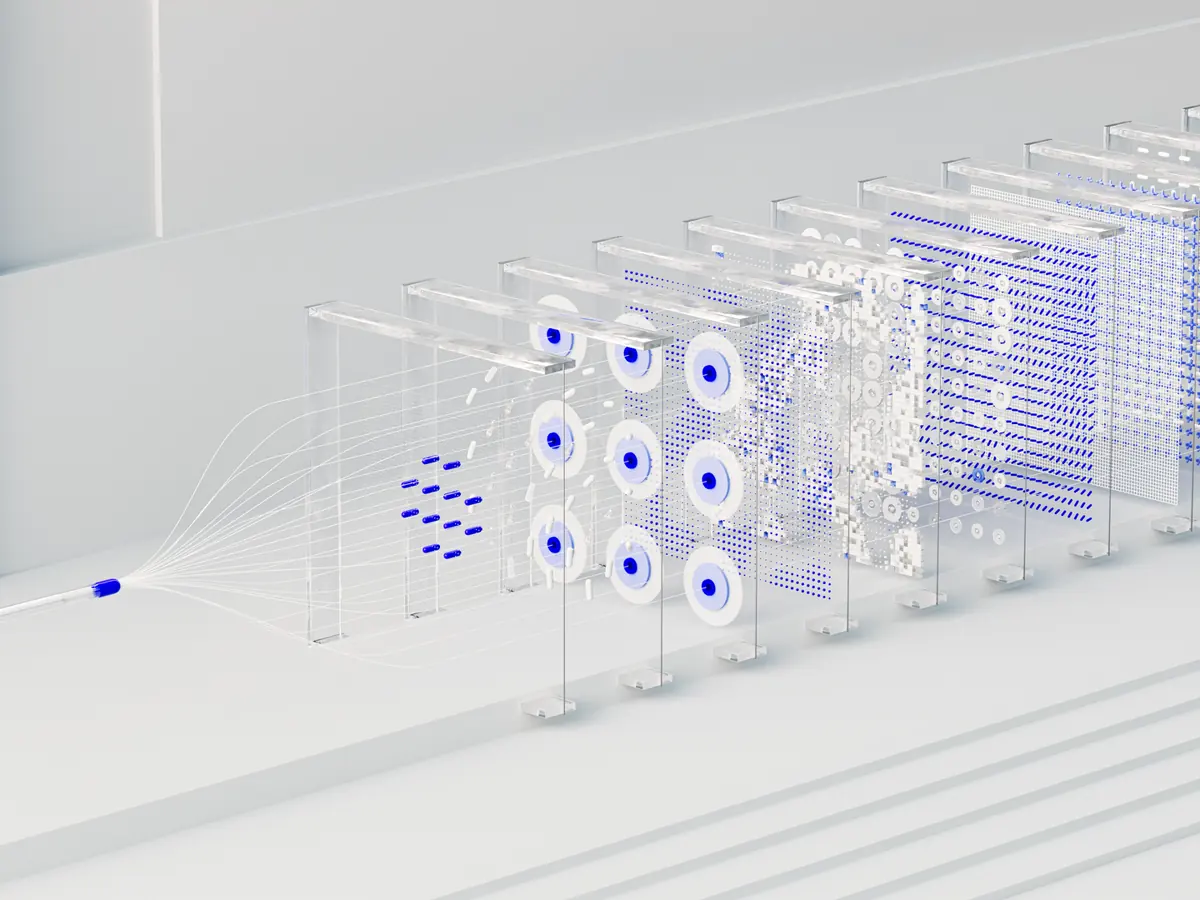
Custom clinical platforms built from the compliance surface inwards: HIPAA and GDPR controls, SOC 2 readiness, HL7 and FHIR interfaces, and an architecture that keeps new services away from the systems of record. Delivered in increments you can validate clinically, not as one long build.
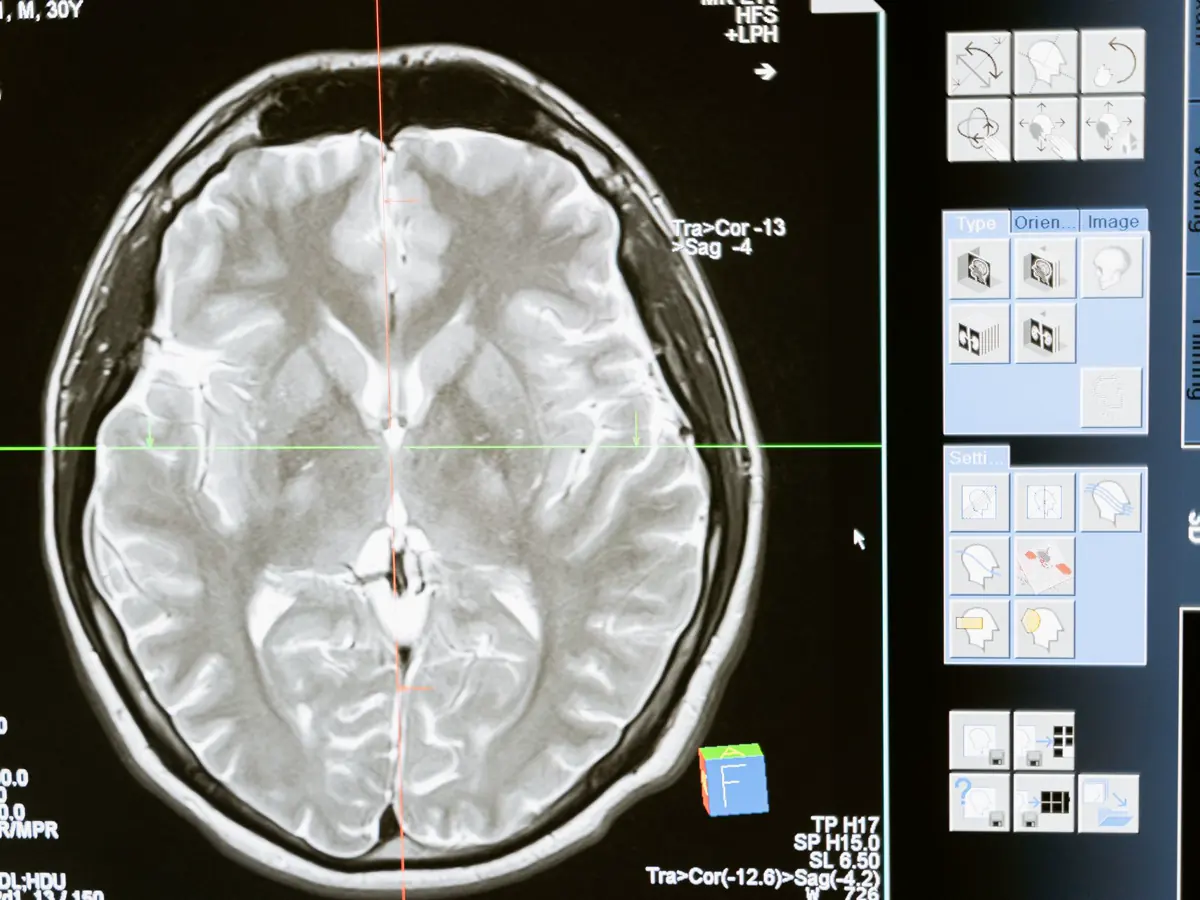
A governed clinical data layer with real patient matching, terminology mapping across SNOMED CT, LOINC and ICD-10, and lineage on every field. Population health dashboards, quality reporting and research cohorts then read from one set of figures instead of four extracts.
Ambient documentation, prior-authorisation automation, referral triage and discharge-summary generation, each with a human in the loop and a full audit trail behind every automated step. Automation that cannot explain itself has no place in a clinical setting.
Every decision-maker in your buying committee has a different question

Interoperability, bed flow and documentation load, addressed without ripping out the core EHR. Deployed department by department, with the security evidence pack ready for your review board.
Tools that take work away rather than adding a new screen. Every alert carries its reasoning, and every automated note lands as a draft the clinician owns and signs.

A defensible clinical product on compliance-ready rails: validated models, FHIR-native integrations, and the documentation a payer contract or an FDA pathway will require.
Which part of healthcare do we serve?
Every care setting carries its own regulator, its own data model and its own definition of an acceptable failure. Hover any card to see what we build for it.
Interoperability layers, bed and theatre flow, and documentation automation that sits alongside a core EHR you are not going to replace this year.
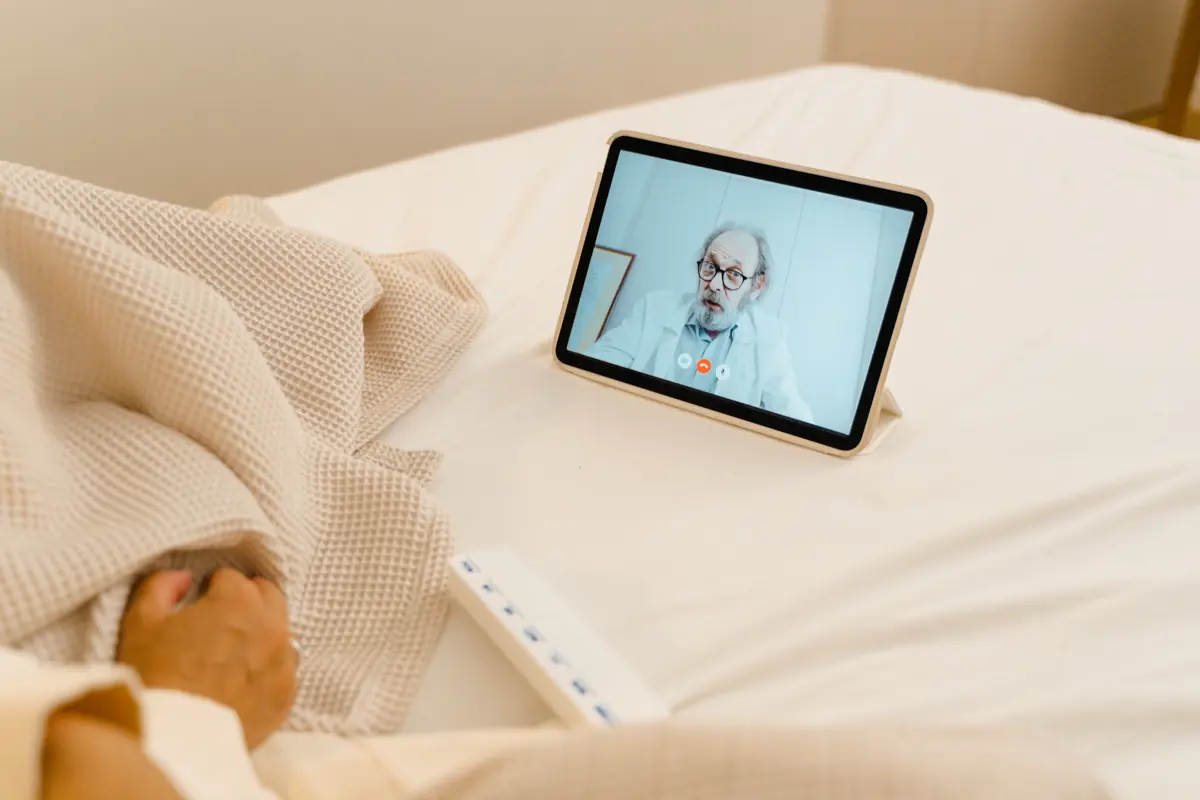
Virtual-first care built for real networks: resilient video, asynchronous triage, e-prescribing and consultation notes written straight back to the record.
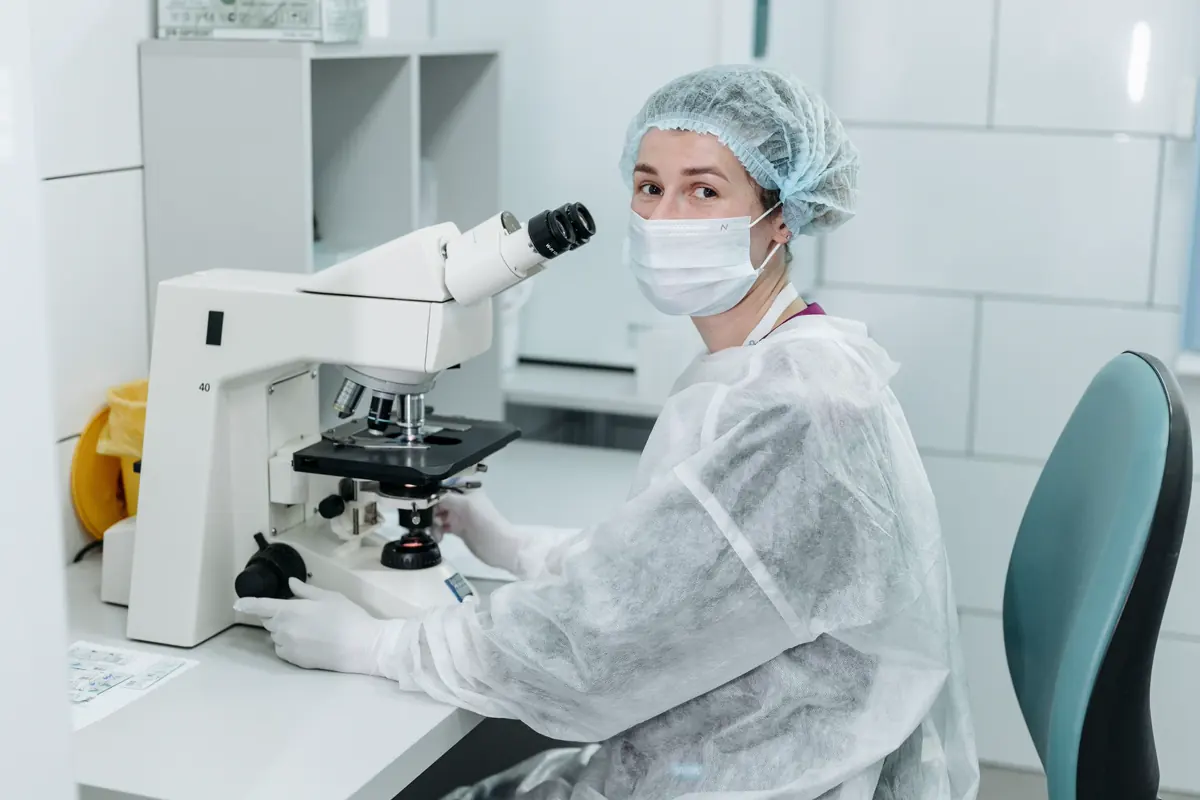
LIS integration, specimen tracking and result autoverification, with anomaly detection on the analyser data before a result leaves the bench.
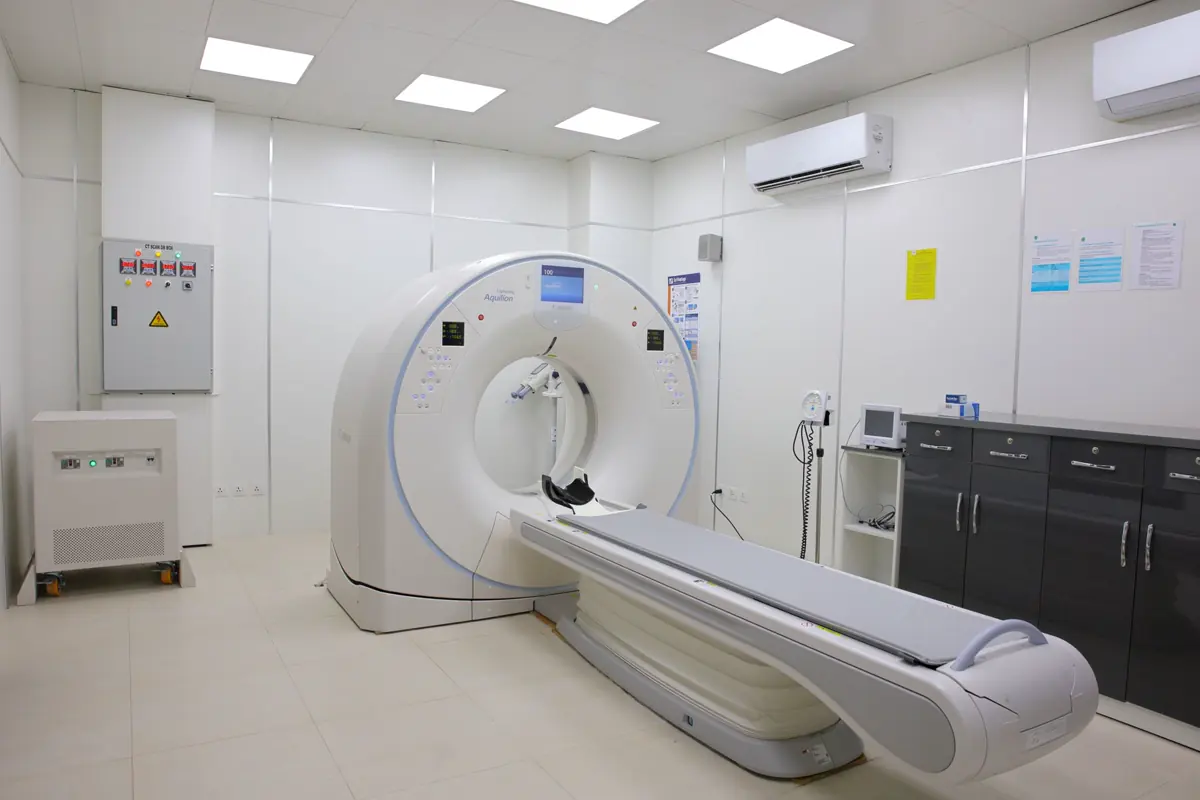
DICOM-native triage, measurement automation and structured reporting inside PACS, with critical findings escalated rather than queued.
Trial cohort discovery, decentralised-trial tooling and safety signal detection built to GxP and 21 CFR Part 11 expectations.
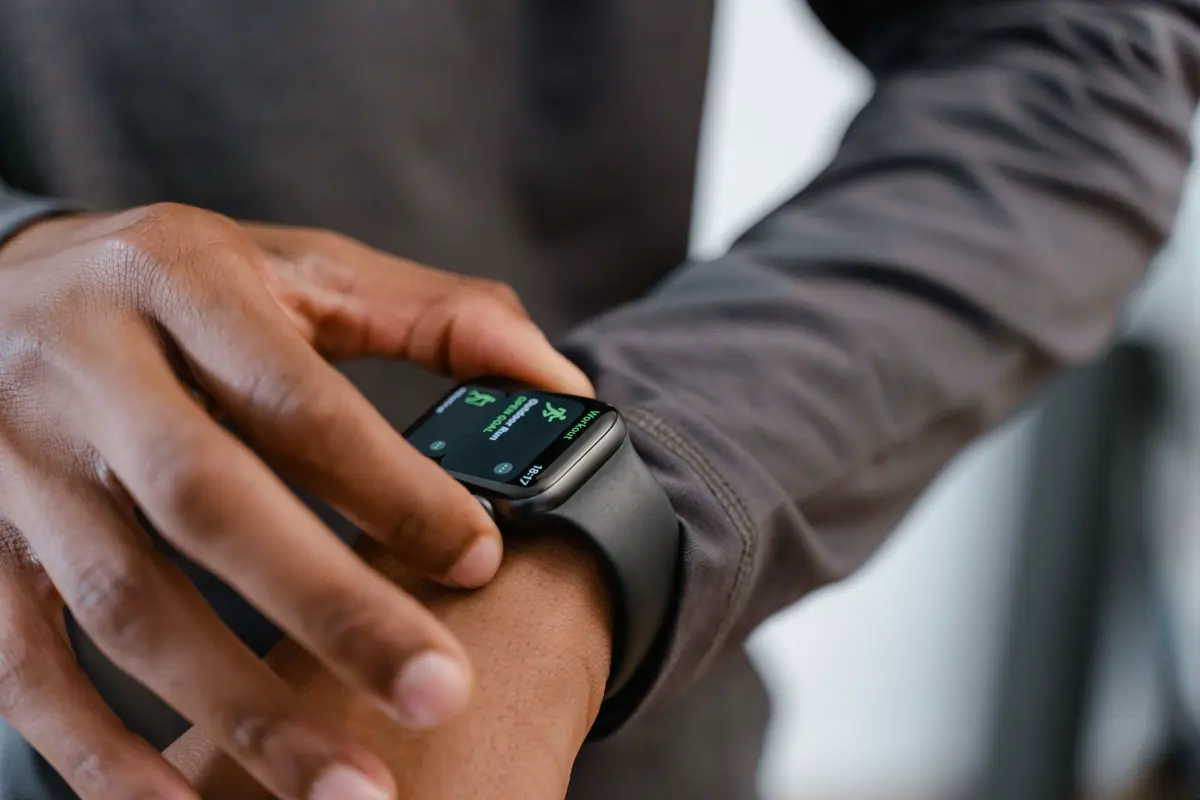
Device data ingestion at scale, firmware-to-cloud pipelines and the alerting layer that turns a telemetry stream into a clinical signal.

Measurement-based care, risk screening and therapy-adjacent tooling, designed with consent and confidentiality boundaries handled explicitly.
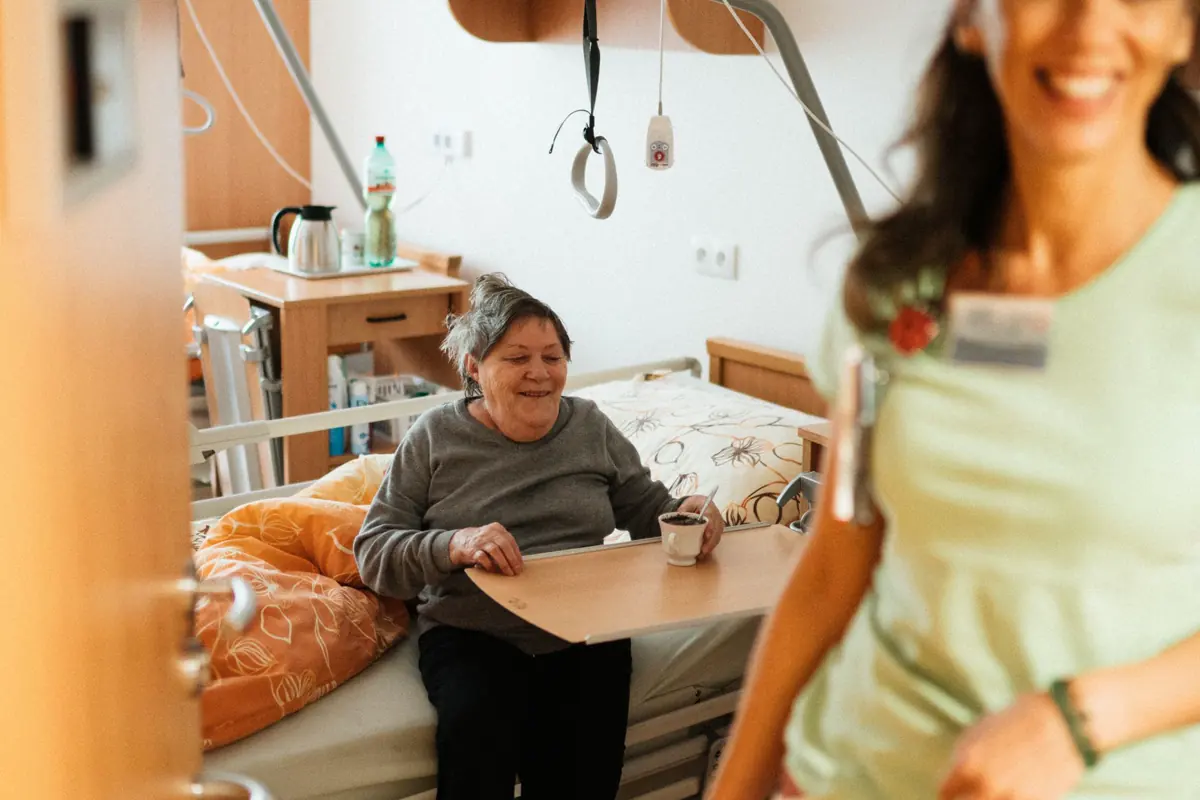
Remote monitoring, falls and deterioration prediction, carer scheduling and family portals that keep the household informed without exposing the record.

Claims adjudication, prior-authorisation automation and risk adjustment, with the decision rationale recorded in a form a regulator will accept.
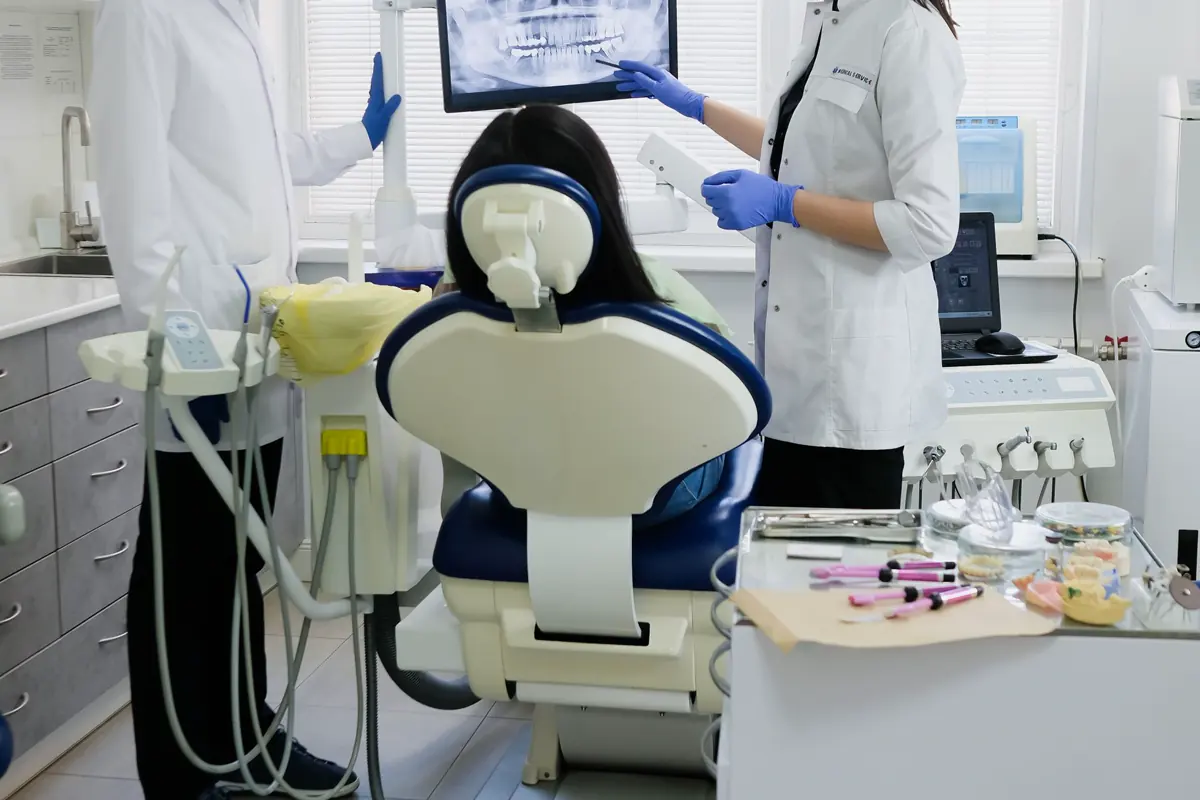
Imaging assistance, treatment planning and recall automation for single-site practices and multi-clinic groups alike.
What can you optimise with our AI-powered healthcare applications?
Imaging and pathology models surface findings a tired eye misses at the end of a list, and triage reorders the worklist so the critical study is read first rather than in arrival order.
Ambient capture and clinical NLP draft the note and code the encounter. Clinicians review and sign instead of typing, and the record is complete at the point of care.
Deterioration and readmission models identify who needs follow-up before discharge, so the intervention is a phone call rather than a second admission.
Demand forecasting on appointments, theatres and beds recovers the slots that no-shows and poor sequencing quietly consume across a week.
Computer-assisted coding and denial prediction catch the missing documentation before the claim goes out, instead of after the remittance advice comes back.
Least-privilege access, encrypted PHI and immutable audit logs mean the evidence a HIPAA, GDPR or SOC 2 assessment asks for is generated continuously rather than assembled before an audit.
Discover how AI healthcare software development services can lift the administrative load off your clinical teams and shorten time to treatment. Speak with our engineers about a scoped pilot on your own data, and about what we would leave alone.
Real results from real healthcare organisations
Discover our portfolio showcasing our expertise as an AI development company, delivering clinical-grade solutions to complex healthcare challenges.

Virtual Sales & Customer Support Assistant

Patient Intake & Triage AI Agent
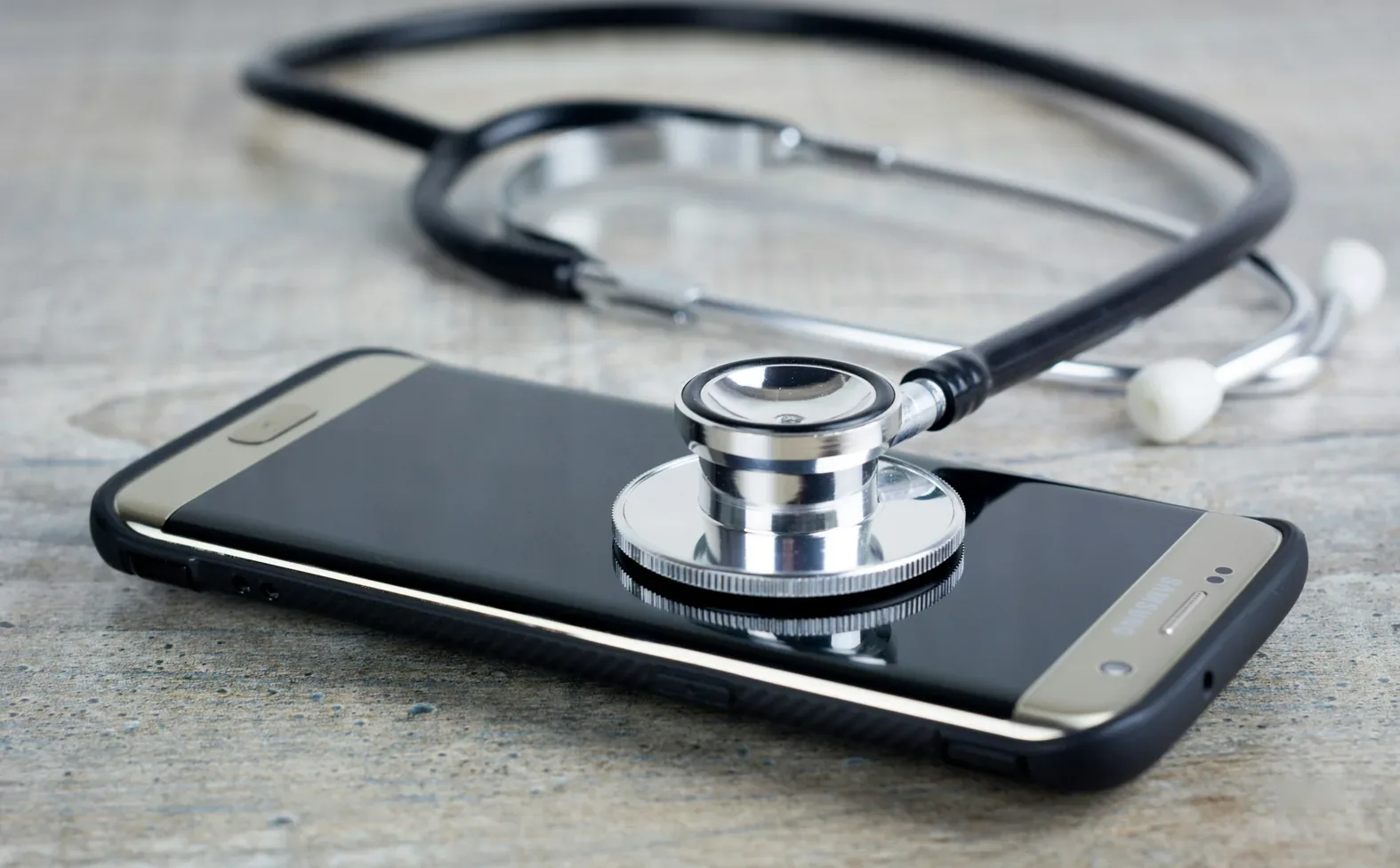
Healthcare Chatbot & Virtual Assistant
AI Financial Advisor Assistant
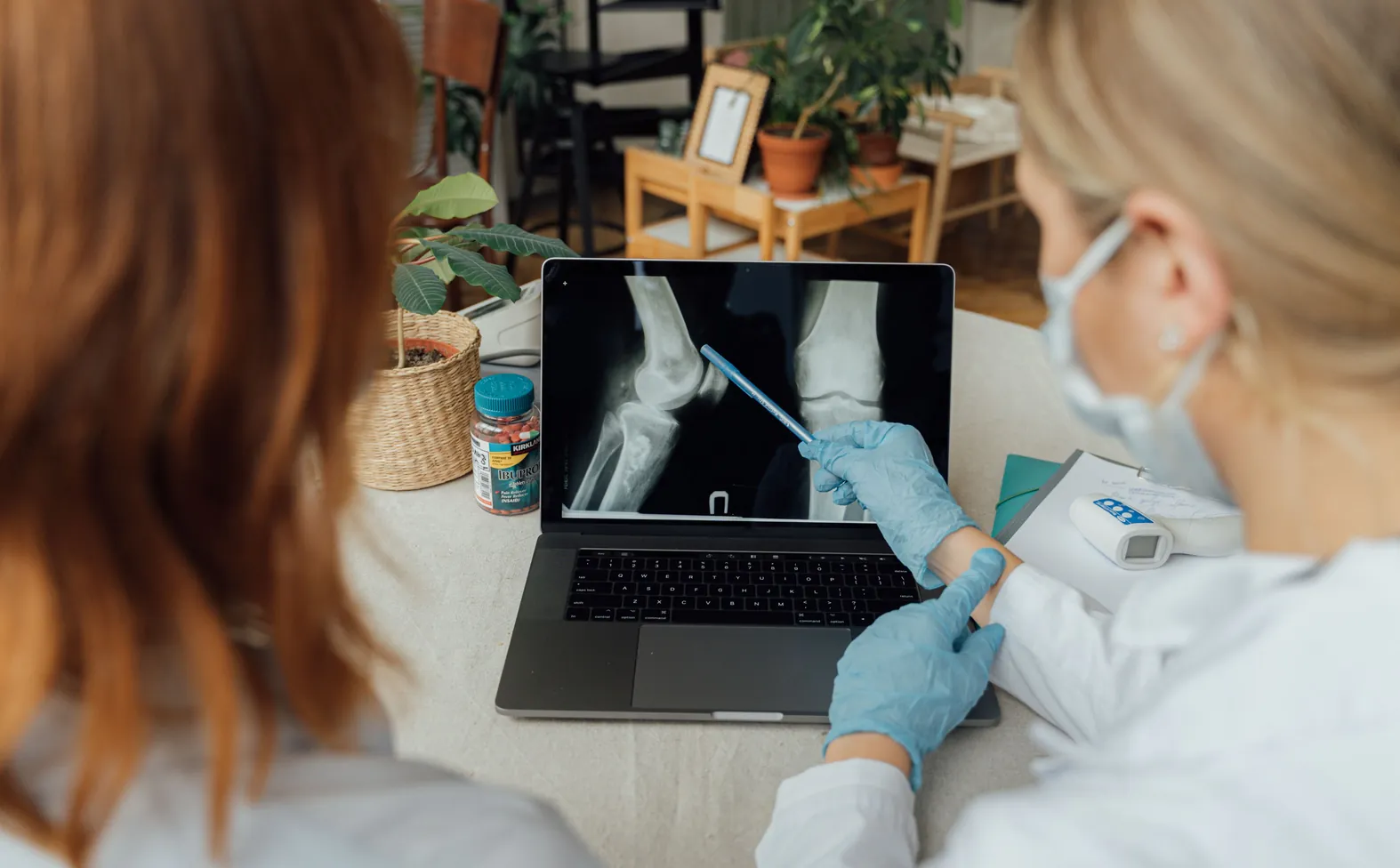
Medical Imaging & Disease Identification
AI Physical Therapy Coach

Readmission Risk Prediction

Regulatory Document Analysis

Customer ID Checks & Onboarding Automation

In-Store AI Shopping Assistant
AI Fraud Detection for Payments

AI-Powered Personalized Marketing

AI Credit Scoring for Lenders

AI Inventory & Demand Forecasting

Smart Pricing for Retail
Technologies we work with
The same production-grade toolchain sits under every healthcare platform we ship. Pick a layer to see what it is made of.
Who do we work with?
We help digital health founders reach a defensible first release: a compliant data layer, FHIR-native integrations, validated model behaviour and the clinical evidence a first payer or pilot site will ask to see.
Growth exposes every manual control. We help scale-ups automate onboarding, monitoring and reporting, and put the HITRUST or SOC 2 groundwork in place before enterprise procurement asks for it.
Multi-site groups carry hospital-grade obligations with a fraction of the back office. Our scheduling, documentation and billing automation closes that gap without an enterprise budget or a year-long rollout.
We partner with health systems, payers and life sciences organisations on governed clinical data layers, EHR integration and AI systems that satisfy clinical safety, model risk and procurement before they reach production.
Why is it worth working with us?
“Commendable work by the team. They collaborated and communicated in a highly professional manner and delivered exactly what was asked in the desired time frame. Their project management and communication skills are highly appreciable.”
Why choose Axiomra?
HIPAA, GDPR and SOC 2 controls are reviewed with your compliance team and designed into the architecture from the first sprint: least-privilege access, encrypted PHI, de-identified training data and immutable audit trails. Retrofitting them onto a finished product costs more and convinces nobody.
Our platforms sit alongside the systems of record through HL7, FHIR and DICOM interfaces, so new capability ships at product speed while the record your clinicians depend on keeps running untouched underneath.
Models are evaluated on your own data, with performance reported by subgroup and the failure modes named. We provide 60 days of technical support and team training after delivery, and we will tell you when a model is not ready for a clinical decision.
500+
Projects Delivered
170+
Valuable Partnerships
30+
Countries Served
85+
Tech Experts
Recognised & certified








Healthcare questions
By removing the typing rather than adding another screen. Ambient capture drafts the encounter note, clinical NLP codes it and pre-fills the order set, and the clinician reviews and signs. The measured gains in published evaluations sit around a quarter to a third of documentation time. Meaningful, but not the 80% figure vendors quote.
Talk to our engineers and discover how custom AI healthcare software development services can lift administrative load, shorten diagnosis and keep patient data safe.
Get your project done!